

Within the complex realm of real estate and construction, the function of a land surveyor is crucial. These professionals serve as the eyes and ears of progress, meticulously mapping out land, evaluating boundaries, and supplying essential data for various projects. Whether you are a landowner contemplating a new purchase or a developer starting a construction venture, grasping what a surveyor does and the scope of their toolkit can be extremely advantageous.
Land surveying might often be overlooked, but it is a vital step in ensuring that property transactions are seamless and construction projects move forward without a problem. From property boundary surveys to advanced technologies like Global Positioning System and drone surveying, the sector has changed dramatically in recent years. In this article, we will examine the various aspects of surveying, including why you need a land survey before buying property, how surveyors help prevent costly disputes, and what to expect during a property survey. Join us as we explore the essential toolkit of surveyors and uncover the critical contributions they make to the building and property industries.
The Necessity of Land Surveys Is Vital
Surveys of land serve a key function in real estate transactions and real estate development. They provide clarity of boundaries of land, which helps prevent disputes between neighbors over property rights. Without a correct survey, the owners of the property could be confronted with legal challenges that may arise from discrepancies regarding the lines that separate properties. This precision is necessary not only for personal peace of mind but also for making sure with local land use laws and regulations.
Moreover, acquiring a land survey is a fundamental step when acquiring property. Prospective buyers should comprehend exactly what they are purchasing. https://lowe-gupta-3.federatedjournals.com/from-ground-zero-to-skyline-land-surveyors-participating-in-urban-development show vital information about the land, including easements, invasions, and the topography of the property. This information can affect a buyer's choice significantly, whether they are looking to build a new structure or enhance to an already-built structure. Concerns identified in a survey can serve as bargaining chips in negotiations, ultimately safeguarding the buyer's investment.
Additionally, land surveys are crucial for building endeavors. They help to prevent costly mistakes by providing crucial information about existing site circumstances and existing structures. By collaborating with land survey experts, project developers and contractors can ensure that their planned projects align correctly with boundary lines and comply with building codes. Errors in surveying can result in significant delays and extra expenses, emphasizing the necessity of professional surveys at the start of any building project.
Understanding Different Categories of Survey Types
Different kinds of land assessments cater to specific requirements and purposes within the property administration and construction spectrum. Boundary surveys are among the most common types of assessments, identifying the precise boundaries of a property. These surveys are essential for settling disputes related to property lines and are usually required for legal documentation. Understanding where your property begins and finishes not only guards your claim but also elucidates liabilities regarding adjacent lands.
Topographic surveys, on the other hand, provide a comprehensive overview of the land’s contours, elevations, and any organic or artificial features. This type of survey is essential for builders and contractors, as it enlightens them about the land's physical characteristics and helps in organizing construction undertakings effectively. Precise topographic information also aids in stormwater management and eco studies, making it an essential tool in property expansion.
Another important kind of survey is the ALTA/NSPS assessment, typically used in real estate transactions. This detailed survey requires adherence to particular standards set by the American Land Title Association and the NSPS. It offers comprehensive information about a property’s boundaries, land rights, and any possible encroachments. For buyers and investors, understanding this kind of survey is important as it directly impacts the lawful and financial aspects of property acquisitions.
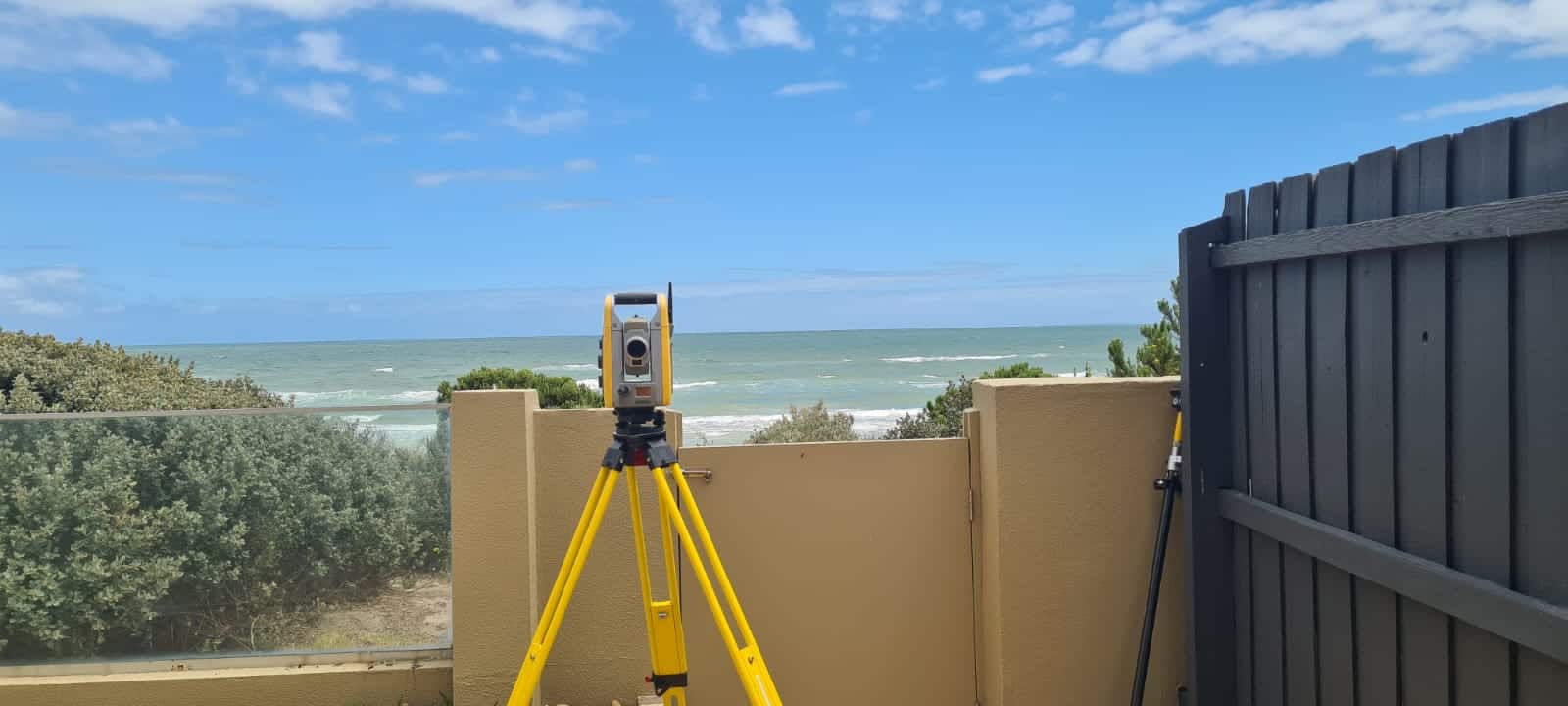
Picking the Best Surveyor
When selecting a surveyor, it is crucial to evaluate their qualifications and background. Look for specialists who are authorized and accredited by appropriate surveying organizations. A skilled surveyor will understand the complexities of your particular project and the regional regulations that may be relevant. Their experience with related projects can guarantee that you receive reliable survey results.
Interpersonal skills is another crucial aspect to evaluate when choosing a surveyor. You need someone who can explain the surveying procedure clearly and answer your inquiries in a clear manner. A competent surveyor should be engaged and willing to communicate with you for the duration of the entire project, ensuring that you stay updated and at ease with the progress being made. Clear communication helps establish trust and can prevent issues down the line.
In conclusion, consider ask for references or examining testimonials from former clients. This feedback can provide helpful views into the surveyor's work ethic, dependability, and service quality. Additionally, analyzing quotes from various surveyors can help you determine market pricing, but be cautious of making a selection solely based on price. The goal should be on finding a qualified professional who satisfies your individual needs and delivers a reasonable balance between price and value.