

Recently, vacuum excavation techniques have rapidly emerged as a fundamental shift in the construction industry. As projects evolve to be more sophisticated and cities become more crowded, conventional excavation methods often fall short in terms of efficiency, safety, and ecological footprint. Vacuum excavation gives a modern solution that not only enhances the excavation process but also improves safety and protects critical underground utilities. This advanced method combines intense suction with high-pressure air or water to extract soil, making it a gentle digging process that reduces hazards associated with traditional digging.
As we delve into the varied advantages and uses of vacuum excavation, it's apparent that this technique is transforming how construction tasks are undertaken. From city projects to service deployments, vacuum excavation is growing to be the preferred choice for contractors wanting to enhance their efficiency. In this piece, we will explore multiple facets of vacuum excavation, including its risk reduction features, eco-friendly aspects, and its key function in urban construction projects. Join us as we discover how this technology is shaping the future of construction and creating more effective and eco-friendly methods.
Comprehending Vacuum Excavation Techniques
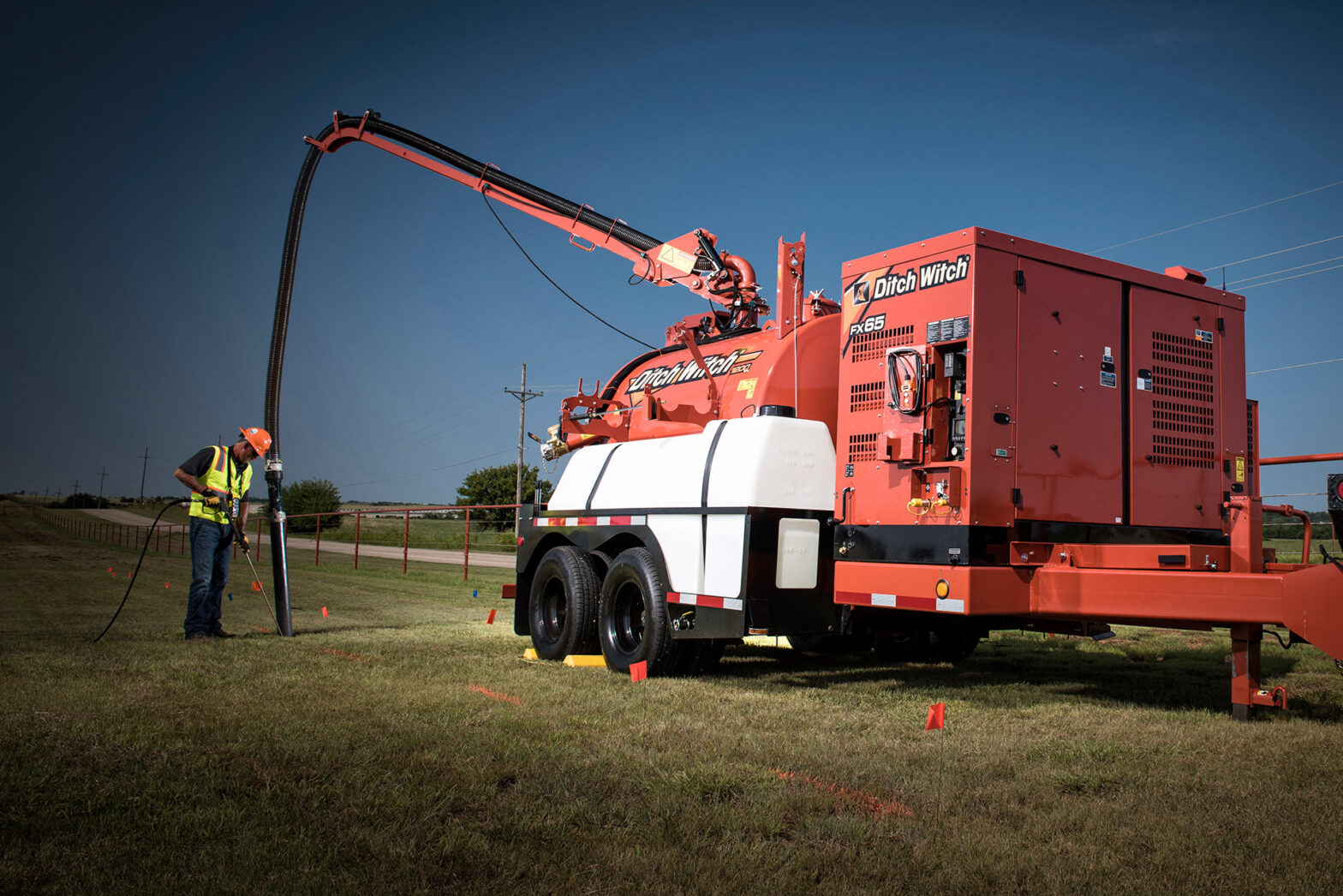
Vacuum excavation is a non-destructive digging method that employs a combination of high-speed airflow or water and intense suction to remove soil and reveal underground infrastructure. This innovative technique reduces damage to existing infrastructure while permitting for precise excavation in various environments. The process typically entails breaking up the soil with water or gas jets, which are then followed by a vacuum system that gathers the debris and fluids into a collection chamber. This method is particularly beneficial when operating near sensitive utilities like gas, water, and telecommunications lines.
One of the key advantages of vacuum excavation is its capability to adjust to challenging site circumstances, especially in city areas where access and space are limited. https://gmaccontractors.com/best-vacuum-excavation-ireland/ digging methods often necessitate extensive excavation, which can disrupt traffic, cause noise, and result in lengthy project delays. In contrast, vacuum excavation is faster and more silent, enabling contractors to complete work more effectively and with less impact on the surrounding environment. The flexibility of equipment permits vacuum excavation to be employed across a range of projects, including utility installations, potholing, and site preparation.
Furthermore, safety is a critical concern in construction, and vacuum excavation contributes significantly to a more secure working environment. By reducing the risk of accidental utility strikes, this method safeguards workers and the public from potential hazards. It also offers environmental advantages, as the technique produces less waste and is minimally invasive to the environment compared to traditional excavation methods. As such, vacuum excavation is emerging as an integral part of contemporary construction practices, offering a reliable solution that addresses both safety and efficiency.
Benefits of Vacuum Excavation in Construction
The use of vacuum excavation offers numerous advantages that significantly boost modern construction practices. One of the primary benefits is its safe nature, which reduces the risk of damaging underground utilities. Traditional digging methods can accidentally cut through utility lines, leading to costly repairs and project delays. In contrast, vacuum excavation utilizes high-powered suction to extract soil while allowing operators to identify existing utilities, thus ensuring a more efficient and safer operation.
Another significant advantage is the improved safety on job sites. With vacuum excavation, the potential for accidents is greatly reduced as this method minimizes the need for manual digging in hazardous environments. The machinery is designed to operate from a safe distance, allowing workers to focus on monitoring the process rather than working near to potential dangers. This heightened safety awareness leads to a more secure working environment and fosters a atmosphere of safety within construction teams.
Furthermore, vacuum excavation helps to speed up project timelines. By significantly cutting down the time required for digging and utility location, projects can move forward more quickly without the usual disruptions associated with traditional excavation methods. This efficiency not only results in lower labor costs but also allows for better allocation of resources, enabling construction companies to meet tight deadlines and improve overall productivity. As a result, vacuum excavation stands out as a game-changing solution in the construction industry.
Applications and Future of Vacuum Excavation
The use of vacuum excavation has found various applications across multiple fields within the construction industry. One of the key uses is in the setting up and maintenance of underground utilities, including water, natural gas, and telecommunications. The precision with which vacuum excavation operates allows for secure digging around critical infrastructure without risking damage, making it essential for utility companies. Additionally, its efficiency in excavation holes and utility identification reduces the likelihood of expensive accidents during construction, proving invaluable in both urban and rural settings.
The prospects of vacuum excavation tech appears bright as progress continue to emerge. Innovations such as upgraded suction systems and enhanced debris separation processes are being developed to boost efficiency and reduce running costs. The integration of technologies such as robotics and instant data collection will further enhance precision and safety on construction sites. As construction needs grow and authorities push for more secure, more green practices, vacuum excavation is projected to develop, adapting to meet these obstacles head-on.
Furthermore, the growing trend towards eco-friendly construction practices is likely to fuel higher adoption of vacuum excavation. Its ability to reduce disturbance to the environment and surrounding areas aligns with the construction industry's shift towards non-destructive techniques. As more companies realize the numerous benefits, including reduced project downtime and enhanced job site safety, vacuum excavation will become a staple in contemporary construction methods, shaping not only how we dig but also how we plan for the coming years of infrastructure development.