

In recent years, construction practices have evolved markedly due to the advent of innovative techniques designed to enhance efficiency, safety, and green practices. https://long-stentoft.mdwrite.net/unearthing-with-accuracy-with-exactness-the-art-of-suction-excavation gaining traction across various industries is vacuum-based digging. As urban areas develop and infrastructures age, the need for a digging technique that limits interruptions and protects existing utilities becomes paramount. Vacuum excavation gives a remedy that addresses these requirements but also serves as a more secure, better approach to standard digging methods.
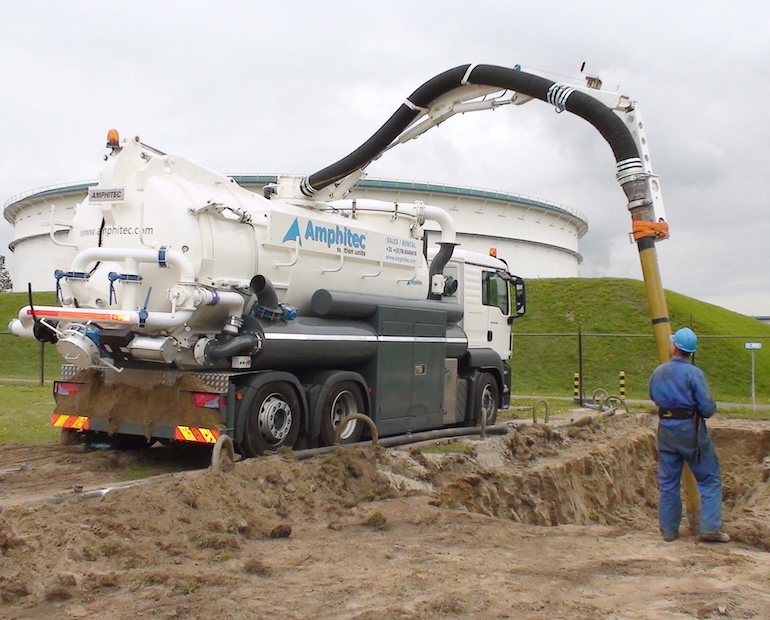
At its core, vacuum excavation utilizes air and suction to remove dirt and rubble, allowing workers to excavate with precision and minimal risk. This gentle excavation process has transformed how projects are managed, notably in metropolitan regions where space and existing utility systems pose distinct challenges. With its myriad benefits, which range from minimizing project delays to preventing costly utility damage, vacuum excavation is rapidly emerging as a popular option for project managers and contractors alike. Whether it's for utility installation, landscaping, or maintenance, this cutting-edge method is altering the face of contemporary construction.
Understanding Vacuum Excavation
Vacuum excavation is an innovative approach used to excavate underground utilities without resulting in harm. This methodology makes use of strong vacuum systems that blend air or water to displace soil and debris, permitting for precise excavation while reducing disruption to the nearby environment. As a non-invasive digging method, it is especially crucial in urban areas where traditional digging can damage critical infrastructure.
The process starts with the use of either high-pressure water or air to ease the soil. Once https://bitsch-hensley.thoughtlanes.net/uncovering-secrets-how-vacuum-digs-transforms-construction is dislodged, the vacuum system effectively picks up the debris, establishing a clean excavation area. This approach is not only beneficial for utility finding but also crucial for various applications in construction such as potholing, laying pipelines, and maintaining drainage systems.
One of the notable features of vacuum excavation is its ability to preserve underground utilities. With traditional digging, the risk of mistakenly damaging wires or pipes grows significantly. Vacuum excavation lowers this danger by providing unobstructed view and precision during the digging process. As a outcome, it has turned into a favored choice among contractors and engineers who value safety and accuracy on their job sites.
Protection and Ecological Advantages
Suction excavation boosts safety on construction sites by significantly lowering the chance of accidents and harm. Conventional excavation techniques can lead to unexpected risks such as damaging buried utilities, which may pose significant concerns. By using suction excavation, operators can carefully reveal underground utilities without damaging them, minimizing the potential for accidents. The accurate nature of suction excavation means that workers are less likely to meet unforeseen hurdles, contributing to a safer working environment.
Additionally, suction excavation promotes eco-friendliness by lessening the interference to the surrounding land. Unlike conventional excavation, which often involves extensive land clearing and soil movement, vacuum digging is a gentle digging method. This technique protects the integrity of the soil and surrounding vegetation, making it suitable for delicate areas. As a result, projects can be finished with a reduced ecological footprint, helping to safeguard local natural surroundings and reduce the overall environmental effect of construction activities.
Furthermore, vacuum excavation diminishes the risk of toxic spills and leaks during excavation tasks. When conducting tasks such as utility location, the controlled nature of vacuum excavation ensures that any potential contaminants are contained. This lessens the risk of putting workers and the environment to toxic materials, ultimately leading to more secure construction sites. The integration of vacuum excavation into construction practices not only focuses on safety but also reflects a commitment to environmental stewardship.
Uses and Optimal Strategies
Vacuum digging has a variety of functions in modern construction, making it an critical tool for different projects. It is often used for locating utilities and hole digging, allowing crews to carefully expose buried utilities without damaging them. This non-destructive method is particularly beneficial in metropolitan areas, where underground infrastructure is complicated and complex. Using vacuum excavation for garden design and root care is another notable use, as it reduces soil disturbance and encourages healthy plant life.
To enhance the benefits of vacuum excavation, adhering to best practices is important. Operators should be trained and knowledgeable about the machinery and methods involved in vacuum excavation. Before starting a project, comprehensive planning should be carried out to recognize all underground utilities and evaluate site conditions. Utilizing the correct equipment and methods for the specific job, whether hydro or air vacuum excavation, can further enhance efficiency and safety during the task.
Establishing effective safety measures is vital when performing vacuum excavation. Ensuring that all personnel wear appropriate Personal Protective Equipment (PPE) and that a clearly defined safe zone is set up around the work site can reduce risks. Consistent maintenance of equipment and following safety regulations and standards are crucial to prevent accidents, reduce project downtime, and ensure a effective excavation process.