

Recently, the quick progress of drone technology has transformed a wide range of fields, delivering novel approaches that were previously inconceivable. One of the most significant applications of drones is in the realm of surveying, where they have developed as a game-changing tool in various domains including building, farming, and environmental assessment. As businesses and professionals seek more efficient, precise, and less risky ways to gather data, the interest in drone surveys has increased, leading to notable transformations in planning and execution and delivery.
This article investigates the numerous merits that drone surveys offer, showcasing 30 persuasive arguments to think about them for the following initiative. From improving construction practices to improving land development strategies, drone surveys provide exceptional precision and speed. Visit this page will explore how these aerial surveys are not just transforming traditional methods but also ushering in future innovations in geospatial analysis, verifying, and evaluation, illustrating how they can unlock new potentials for businesses and communities alike.
Perks of Aerial Surveys
Aerial surveys offer exceptional accuracy and speed when stacked against old-fashioned survey approaches. With advanced technology, drones can collect sharp photos and information over extensive areas in a fraction of the time it would take with terrestrial methods. This precision ensures that participants receive reliable information for strategic planning, which can lead to significant improvements in results of projects.
A further key advantage is the safety aspect associated with aerial surveys. Drones can reach dangerous or difficult-to-access locations without risking workers at harm. For case in point, assessments of rooftops, high energy electric lines, or unstable terrains can be carried out securely from the earth, lowering the need for dangerous activities or other hazardous tasks. This not only ensures safety for staff but also enhances the total effectiveness of assessments.
Financial benefits represent a considerable advantage as well. Drone surveys minimize employee expenses and reduce the time of projects, translating to lower expenses overall. By optimizing the surveying process, undertakings can stay within cost projections and on schedule. Furthermore, the adoption of drone systems can lessen the need for repeated site visits, which further enhances cost effectiveness. ### Applications in Various Industries
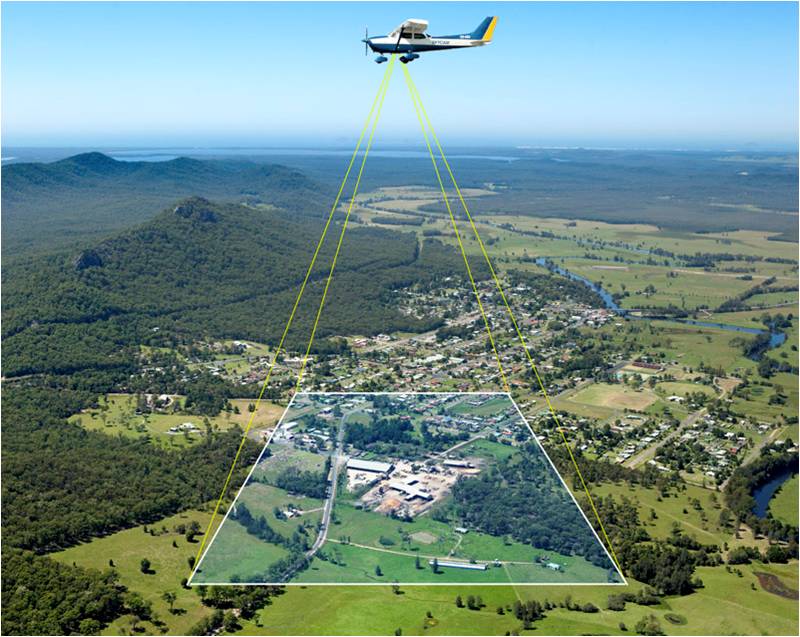
Drones have transformed numerous industries by providing effective, reliable, and cost-effective data collection methods. In construction, drones are being used to enhance project management from preliminary land assessments to ongoing site monitoring. They allow stakeholders to see progress in real time, making sure that timelines are met and budgets are adhered to. Additionally, drone surveys facilitate exact topographical mapping, making it simpler for teams to organize and execute their projects with improved accuracy.
In agriculture, drone surveys play a key role in accurate farming. By utilizing sophisticated imaging techniques, farmers can track crop health, assess irrigation needs, and improve yields. The high-resolution data obtained from drone surveys allows for focused interventions, reducing resource waste and enhancing overall productivity. Moreover, these aerial insights help with planning and managing land development, guaranteeing sustainable practices are upheld as agricultural landscapes evolve.
Infrastructure and utility inspections are also benefiting from the aerial capabilities of drone surveys. This technology provides detailed assessments of roads, bridges, and energy facilities, significantly reducing the need for manual inspections in hazardous or inaccessible locations. By using drones, companies can guarantee compliance with safety regulations while effectively managing maintenance schedules. As industries continue to embrace this technology, the advantages of drone surveys will only grow, paving the way for creative applications and enhanced operational practices.
Upcoming Trends in Unmanned Aerial Vehicle Surveys
As technology keeps to evolve, the future of UAV surveying offers exciting potential for higher efficiency and accuracy. Innovations in data collection methods, including the use of AI and ML, are expected to enhance the evaluation of surveying information. These improvements will enable for immediate data processing, providing stakeholders with instant understandings and enabling more informed decisions throughout a project duration.
Furthermore, the use of enhanced sensors, including Light Detection and Ranging and infrared imaging, will further broaden the functions of drone surveying. These technologies can capture detailed and intricate information, which is crucial for sectors such as farming, building, and ecological assessment. This degree of precision not only enhances the quality of surveys but also creates new applications, allowing drones to address challenges that were previously difficult to resolve.
Additionally, governing developments are likely to play a pivotal role in shaping the upcoming landscape of drone surveys. As governments around the globe create clearer guidelines for business UAV use, we can anticipate increased use of UAV surveys across multiple sectors. This legal clarity will not only build greater public trust but will also encourage investment in UAV innovation, leading to more innovative approaches and extensive use of drones in surveying tasks.