

Establishing a private cinema is an exhilarating journey that changes your living space into a private entertainment haven. Whether you're a movie buff looking to emulate the dynamic experience of a cinema or a gaming enthusiast planning to immerse yourself in the current hits, comprehending the basics of cinema setup is essential. This article will take you through all you need to know, from the initial design phase to the final touches that personalize your setup.
As technology evolves and home entertainment options expand, the possibilities for your home cinema can be intimidating. Should you tackle the setup on your own, or is it better to consult a specialist? How can you decide the appropriate display and sound system to suit your requirements? With careful planning and deliberate attention to your environment, you can sidestep typical mistakes and create an environment that improves your viewing pleasure. Join us as we explore the essential elements of home cinema installation, aiding you in transforming your plans into a stunning cinematic experience.
Grasping Home Cinema Installation
Home cinema installation is the process of designing a specific space for enjoying cinema, TV, and video gaming in the coziness of your home. This configuration typically entails choosing and merging components such as video projectors, display screens, sound systems, and chairs to create an captivating viewing environment. The objective is to copy the feeling of a commercial cinema while tailoring to the particular likes and needs of the resident.
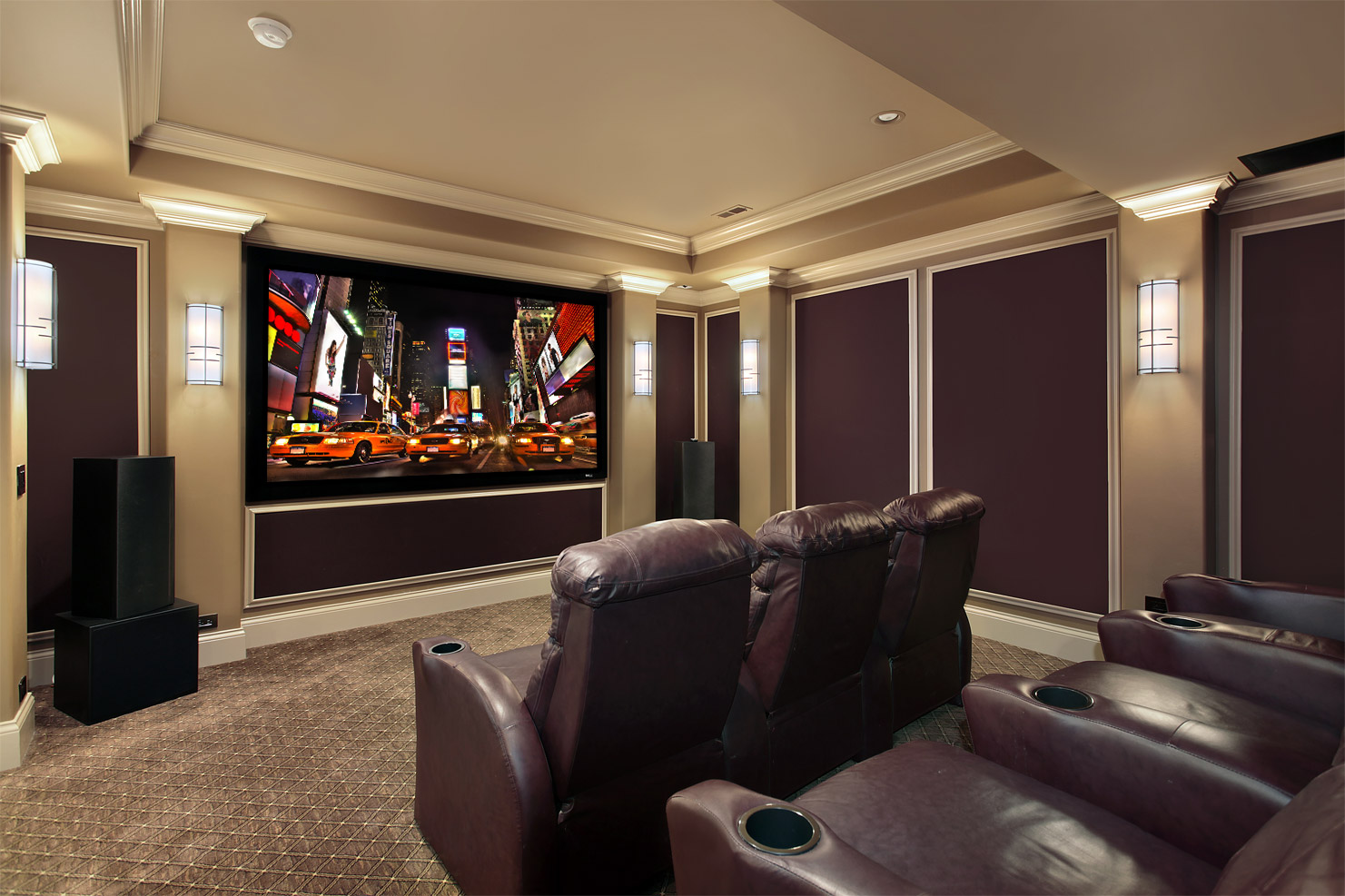
When designing a home cinema, it is essential to take into account various factors such as layout, AV equipment suitability, and your specific viewing practices. The design of the area carries a vital role, influencing sound quality and perspectives. Home Cinema Installation Abbots Langley Hertfordshire involves choices about acoustic treatment, light settings, and seating layout, ensuring an excellent experience tailored to the kinds of content you enjoy most.
In the end, the decision between a specialist installation and a DIY approach can greatly affect the overall quality of your home cinema. Working with specialists ensures that you’re leveraging their knowledge to avoid typical pitfalls and aligning the latest technology trends. Regardless of whether you choose to staff professionals or do it yourself, comprehending the basics of home cinema installation is key to achieving a environment that boosts your cinematic enjoyment.
DIY vs. Professional Installation
As you think about considering a home cinema installation, one of the first decisions to make is whether to tackle the project yourself or bring in a professional. DIY installation can be appealing due to the potential cost savings and the reward of building your own system from the ground up. Many enthusiasts find pleasure in researching the best components, designing the layout, and bringing to life their vision in a hands-on manner. But, this approach demands a good understanding of audio-visual equipment, as well as the skills to manage wiring, acoustics, and room design properly.
Conversely, expert installation typically results in a more polished result, thanks to the expertise and experience that trained technicians bring to the table. Professionals have a deep knowledge of the latest technology, installation techniques, and room acoustics, which can greatly improve the quality of your home cinema. Additionally, they can save you time and potential frustrations related to troubleshooting issues that may arise during a DIY project. For those looking to achieve a seamless and high-performing home cinema without the steep learning curve, hiring professionals can be a smart investment.
Ultimately, the choice between DIY and professional installation is influenced by your budget, technical skills, and the level of quality you seek. If you feel confident with technology and enthusiastic to learn, a DIY project could be an enjoyable endeavor. However, if you would rather have a trouble-free experience with guaranteed results, choosing a professional installation service may prove to be the superior choice. Consider your priorities carefully to determine which route aligns most closely with your home cinema goals.
Cost and Styling Factors
When planning a home cinema setup, understanding the costs involved is essential to create a suitable budget. Several factors influence the overall costs, including the standard of devices, the difficulty of the installation, and any necessary renovations to the room. A premium projector, immersive sound system, and bespoke seating can significantly increase costs, while more affordable options can still deliver an enjoyable experience. It's important to evaluate what elements are most valuable to you and what you can safely afford.
Styling plays a crucial role in maximizing the effectiveness of your home cinema. The configuration of the room should improve the watching experience while considering sound quality and comfort. Elements such as room dimensions, wall colors, and seating layouts are key to creating an engaging atmosphere. Thoughtful design can also help mitigate issues like echo and sound bleed, which are important in achieving optimal audio performance.
Additionally, integrating practical considerations within your styling is vital for functionality and aesthetics. Concealing cables and designing for effective lighting can create a neat look while improving the watching experience. Smart home integration is another contemporary design consideration that can enhance usability and convenience. By thoughtfully balancing cost and design, you can ensure a fulfilling home cinema installation that fulfills your entertainment needs.