

Textile cleaning may not be the first on all homeowner's list of tasks, but it plays a crucial function in ensuring a inviting living space. Your seating not only adds style and coziness to your home, but it also offers a useful purpose, facilitating your everyday activities. Over time, however, upholstery can accumulate grime, stains, and pollutants that reduce its look and your living environment. This article will lead you through important methods and hints to help you master upholstery cleaning, changing untended fabric into something that truly shines.
From understanding the right methods for DIY cleaning to learning when it's time to bring in the experts, you'll get what you require to keep your upholstery staying its best. We'll cover everything from addressing typical blemishes to examining the advantages of professional services. With our all-encompassing approach, you will discover how often to freshen up your furniture, eco-friendly practices, and even targeted methods for leather. Come along us on this journey to enhance the hygiene and durability of your upholstery, creating a cleaner home environment for you and your loved ones.
Important Furniture Cleanliness Methods
One of the fundamental techniques for efficient upholstery cleaning is the right recognition of the material type. Each type of fabric—be it canvas, or leather—has specific cleaning requirements and methods. Always check the manufacturer’s label for specific cleaning instructions, as using the wrong cleaning agent or method could ruin the material. https://lowe-gupta-3.federatedjournals.com/upholstery-cleansing-tricks-suggestions-from-the-specialists include mild soap solutions or specific upholstery cleaners designed to the specific material.
Another important technique is mastering the art of spot cleaning for prompt stain treatment. For common stains, like food or drink spills, the key is to act promptly. Blot the stain lightly with a clean cloth to absorb excess liquid without rubbing it deeper into the material. Depending on the nature of the stain, follow up with a solution suited for that specific type of mark, testing it first on an unnoticeable area. This deliberate approach can save upholstery from permanent damage.
Lastly, incorporating routine deep cleaning into your maintenance routine will help extend the longevity of your furniture. Techniques such as steam cleaning or using hot water extraction can remove stubborn dirt and allergens that routine vacuuming might miss. Be sure to follow up with a fabric protector to maintain cleanliness and prevent subsequent stains. Consistent professional cleaning also plays a crucial role in maintaining the appearance and integrity of your upholstery.
Common Upholstery Stains and Solutions
Furniture upholstery can encounter a range of stains that can be challenging to remove. more info of the most common offenders is coffee, which can leave unsightly marks on fabric. To address https://telegra.ph/Stains-Be-Gone-Powerful-Methods-for-Fabric-Care-09-17 , start by dabbling the spill with a fresh cloth to absorb as much liquid as you can. Then, combine a solution of gentle dish soap and cool water, and carefully dab the stained area with a cloth drenched in the mixture. Clean with another cloth wet with plain water and blot dry to prevent any water spots.
Another frequent problem for upholstery is pet-related stains, such as urine or vomit. For these, it is crucial to act quickly. First, remove any solid residue with a paper towel, then prepare a cleaning solution of white vinegar, water, and a bit of dish soap. Put the solution to the stained area and scrub gently with a soft brush. Rinse the area with cool water and blot to remove excess moisture. Dust baking soda over the spot to eliminate odors, letting it sit for at least 15 minutes before cleaning up.
Grease stains, often from food, can be particularly stubborn. To address these, sprinkle baking soda or corn starch on the stain to absorb excess oil. Allow it to sit for about 15 minutes and then vacuum it up. Afterward, create a mixture of water and a few drops of dish detergent, applying it carefully with a cloth to the remaining stain. Make sure to rinse the area with clean water and blot dry to finish the process, making sure the fabric doesn't get damaged in the cleaning.
Specialized vs. DIY Upholstery Cleaning
When it comes to upholstery cleaning, homeowners often face the decision between contracting a trained service or tackling the task on their own. Professional cleaning offers several benefits, including access to commercial-grade equipment and focused expertise. Professionals are trained to identify particular fabric types and stains, ensuring that the correct cleaning methods are used to prevent damage. They can also provide more extensive cleaning that often results in a prolonged fresh appearance and improves durability.
On the other hand, DIY upholstery cleaning can be a cost-effective option, especially for those who are confident using cleaning products and equipment. There are many efficient cleaning methods available for homeowners, including hot water extraction and targeted cleaning techniques. Do-It-Yourself approaches allow homeowners to tackle stains as they happen, but they require understanding of fabric care and can sometimes lead to mishaps if the inappropriate products are used. Additionally, without the proper tools and experience, achieving top-notch results can be difficult.
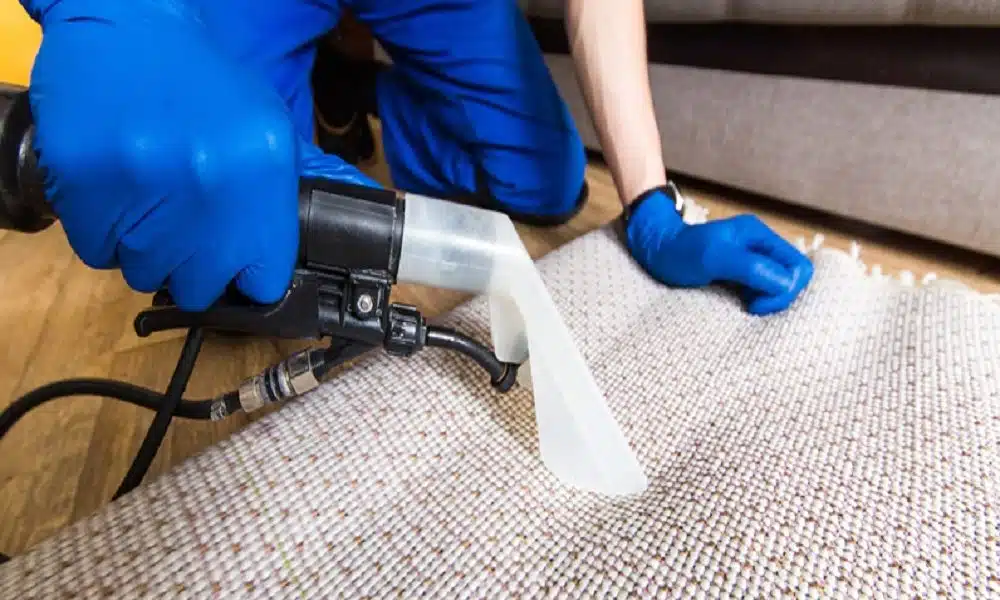
Ultimately, the choice between trained and Do-It-Yourself upholstery cleaning depends on the individual’s requirements and circumstances. For regular maintenance and light cleaning, DIY methods can work well, especially with the suitable products. However, for tough stains or a thorough refresh, trained cleaning may be the best route to ensure upholstery continues to be bright and extends its durability. Think about your budget, the condition of your upholstery, and the level of convenience you prefer when choosing.