

Within the realm of real estate, construction, and property development, surveyors play a crucial role that often goes unnoticed. These skilled experts are the silent champions who ensure that land is correctly measured and mapped, laying the foundation for all from residential homes to sprawling commercial complexes. Their work is essential in avoiding property disputes, ensuring legal compliance, and supporting major infrastructure projects. As technology continues to evolve, the techniques and tools employed by surveyors are also changing, making their contributions more accurate and efficient than ever before.
For property owners, grasping what a surveyor does and why their expertise is crucial can save hours, money, and stress down the road. Whether you're considering buying a plot of land, planning to build a home extension, or simply wanting to resolve a boundary dispute, understanding when and how to engage a surveyor can make all the difference. In this article, we will examine the different aspects of surveying, from the various kinds of land surveys and their purposes to the advancements in technology defining the prospects of the industry. Prepare to set off on a journey from land to legacy, discovering how surveyors shape our world and safeguard our investments.
Understanding Property Surveys
Land surveys constitute vital evaluations that define the perimeters and attributes of a specific property. They deliver critical data regarding the scale, shape, and altitude of the land, helping property owners grasp what they are acquiring or overseeing. A survey describes any current structures, easements, and other related land features, ensuring that buyers and developers have a comprehensive view of the land's possibilities and restrictions.
One critical reason for obtaining a land survey is to stop disputes over property boundaries. An exact survey can explain where one property terminates and another starts, preventing potential conflicts with neighbors. This precision is particularly important in densely populated areas where property lines may not be clearly identifiable. Additionally, a exact survey can identify encroachments, allowing property owners to tackle any problems proactively and sustain good relations with contiguous landowners.
In the current rapidly developing landscape, comprehending land surveys has become more and more important for various stakeholders. Property developers, real estate professionals, and buyers all count on the skills of surveyors to handle the nuances of land acquisition and development. With progress in modern tools, such as Global Positioning System and drone surveying, the accuracy and effectiveness of these assessments have enhanced, providing stakeholders with dependable data and enabling wise decision-making in property transactions and construction projects.
The Importance of Hiring a Surveyor
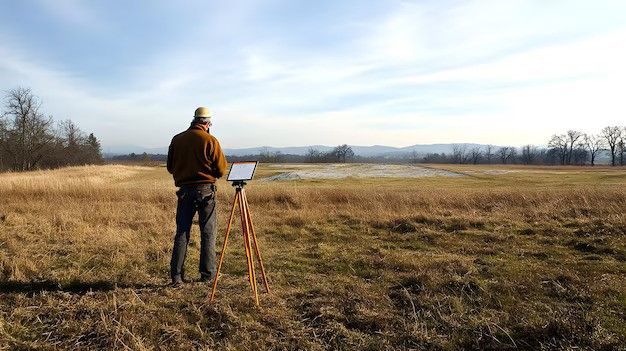
Employing a qualified surveyor is important for anyone considering the purchase of property. A surveyor brings skill that makes certain that boundaries are well defined, thus preventing disputes with neighbors and potential legal issues. Understanding land boundaries is vital in making educated decisions about property investments and developments, which can conserve substantial time and money in the end run.
Additionally, a surveyor plays a critical role in the conformance of construction projects with municipal regulations. They make sure that the land is suitable for development and that any plans adhere to zoning laws and building codes. This compliance is vital not only for the granting of construction permits but also for the safety and legality of the project. Without the guidance of a qualified surveyor, property owners may find themselves in situations penalties or having to redo work that does not meet regulatory standards.
Moreover, modern surveying techniques, including GPS and drone technology, boost the accuracy and efficiency of surveys, providing valuable insights that were not as accessible in the past. By hiring a trained surveyor, property owners benefit from state-of-the-art tools and methods that deliver reliable and precise results. This investment in professional surveying can ultimately lead to improved project outcomes, making it a smart decision for anyone dealing with land.
Evolving Innovations in Surveying
The surveying industry is witnessing notable improvements driven by technological advancements and innovative practices. One prominent trend is the rising use of Geographic Information Systems, which allows land surveyors to gather, analyze, and present spatial data more efficiently. This technology boosts the precision of maps and provides essential insights for urban planning, environmental analysis, and infrastructure development. As surveyors incorporate GIS tools into their practices, they can offer more thorough analyses and visualizations to clients, facilitating the decision process.
Another important trend is the adoption of drones in land surveys. Drone technology enables land surveyors to capture detailed aerial imagery and create detailed topographical maps with less time and labor compared to traditional methods. follow this link are particularly useful for surveying large or hard-to-reach areas, facilitating efficient data collection and live monitoring of building projects. As regulations change to accommodate drone usage in surveying, this method is likely to become a common practice, further boosting accuracy and efficiency.
Lastly, the rise of 3D laser scanning is changing how surveyors collect and assess data. This technology provides precise measurements and can create comprehensive 3D models of existing conditions. The ability to see complex structures in a three-dimensional space facilitates better design and collaboration among stakeholders in the construction industry and property development. As these new technologies continue to develop, they are reshaping the surveying landscape, offering new tools that improve efficiency, accuracy, and project outcomes.