

When it comes to ensuring guaranteeing the safety and performance of our assets, one crucial aspect that commonly gets ignored is the status of electrical systems. An Electrical Condition Report, or EICR report, is a critical document that helps landowners comprehend the status of their power systems. No matter if you are a property owner, a lessor, or a business property overseer, familiarizing yourself with these documents can be the crucial factor to maintaining a secure and compliant environment.
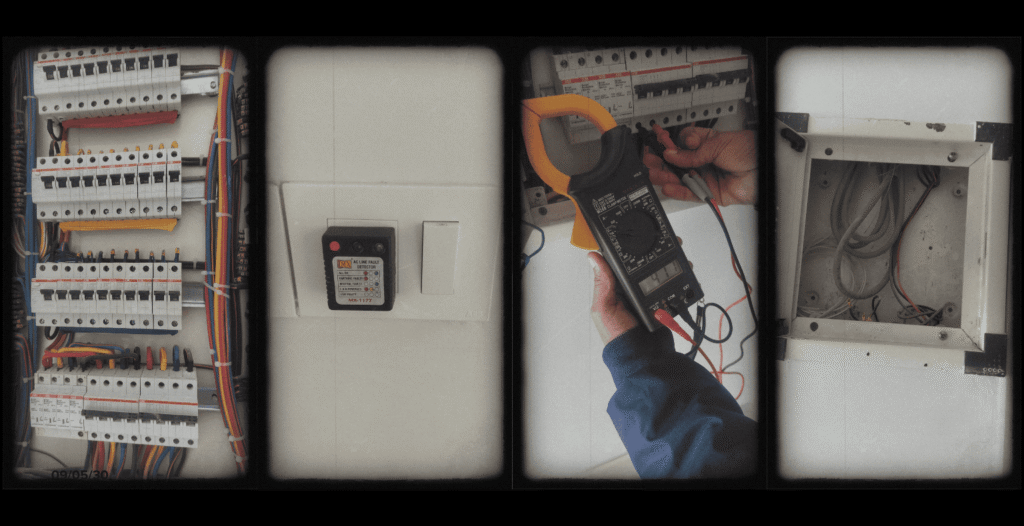
In this write-up, we will investigate into the key factors of Electrical Inspection Condition Reports. We will explore the reasons that every real estate needs regular inspections, which your electrical technician checks during these inspections, and how make sense of the results. Comprehending the significance of an EICR document can help you address foreseen issues before they escalate, ensuring your electrical systems are in compliance and operating safely. From the obligations of landlords to the interval of inspections, we will provide a comprehensive guide for those seeking to navigate the frequently complicated world of electrical safety in buildings.
Understanding Electrical Installation Condition Documentation
An Electrical Condition Assessment, commonly known as an Electrical Installation Condition Report, is a detailed assessment of an electrical setup in a property. This assessment is designed to find any potential risks, defects, or non-compliance with prevailing safety standards. The main aim is to confirm that the electrical systems located in a property are safe for use, and to protect both the occupants and the property itself from power risks.
During the evaluation, a certified electrician will assess various aspects of the electrical installation, including wires, circuit breakers, and any connected devices. They will check for indicators of wear and tear, improper installation, and any possible issues that could lead to electric shock or fire. The results will be noted in the EICR, highlighting any issues that demand attention and assigning a severity rating based on their seriousness.
Understanding the information of an EICR is important for landlords, landlords, and tenants alike. The report includes advice for any necessary repairs or upgrades, which can help secure compliance with regulatory guidelines. Furthermore, routine inspections can lead to better maintenance of electrical systems over time, safeguarding the value of the property and the safety of those who inhabit it.
Importance of Regular Electrical Inspections
Regular electrical system inspections are essential for ensuring the safety and functionality of any property. Over the course of time, wear and tear on electrical system systems can create hazards that may not be readily visible. Regular evaluations help identify potential problems before they escalate into significant concerns, protecting both occupants and premises. This preventative strategy can avert electrical incidents, equipment failure, and other safety risks, ultimately creating a safer living and occupational environment.
Additionally, having a current Electrical Installation Condition Report is often a legal requirement for leasing units. For landlords, it guarantees compliance with safety standards and provides reassurance for tenants. EICR Kirkcaldy Fife help satisfy legal requirements but also boost the appeal of the premises by demonstrating a commitment to security and upkeep. This can be a significant selling point in a competitive rental sector.
Besides safety and regulation, regular assessments can lead to savings in the future. Identifying and fixing electrical issues early can stop expensive fixes and energy losses associated with inefficient installations. Putting resources in periodic electrical assessments supports the lifespan of electrical installations, ultimately resulting in a more reliable and economical functioning of electrical systems in any property.
What to Expect During an Electrical Safety Check
When you arrange a electrical systems check, the electrician will initially coming at your property and introducing their services. The electrician will review the aim of the check and any specific issues you want to raise. Following identifying your needs, they will initiate a detailed examination of your electrical systems, including the wiring system, circuit breakers, and the outlets. This preliminary discussion lays the groundwork for the assessment, making sure that all necessary areas are covered.
The electrician will carry out a series of tests and physical evaluations. You can expect them to inspect the condition of the wiring, review the grounding, and test the operation of safety devices like smoke alarms and residual current devices. You can anticipate them checking for common issues such as overloaded circuits, exposed wires, and wear and tear indicators. The inspection may also consist of testing the electrical installations against existing regulations and standards to ensure adherence and reliability.
After the inspection is finished, the technician will present you with their observations in a report. This report will outline any concerns discovered, classify their severity, and recommend necessary actions to resolve those issues. You can expect advice on how to rank repairs and enhancements based on safety risks and the overall state of your electrical infrastructure. This comprehensive report will help you make informed decisions about any needed electrical tasks in your premises.