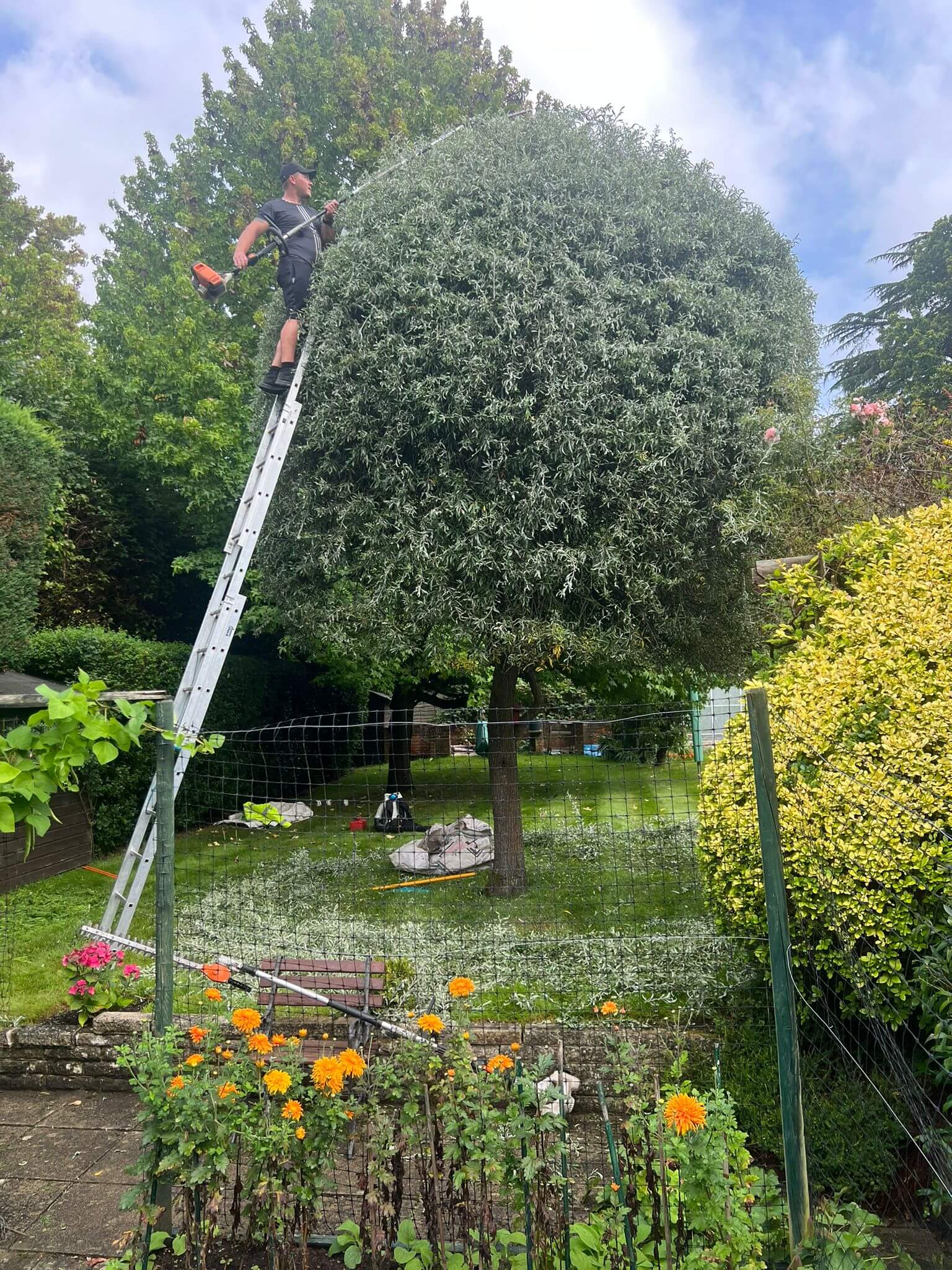
Maintaining a stunning garden demands ongoing effort and attention throughout the seasons. If you are a experienced gardener or just beginning out, grasping the key maintenance tasks unique to each season can bring all the difference in keeping your plants healthy and vibrant. From the rejuvenating duties of spring to the safeguarding measures needed in winter, a well-structured maintenance plan can boost your garden's aesthetic and longevity.
In this guide, we will examine a variety of tips and strategies to assist you remain on top of your garden maintenance. You will find useful advice tailored for active homeowners, along with crucial checklists for each season. With the appropriate tools and a little knowledge, you can create a easy-care garden that thrives while boosting your property appeal. Let's delve into the fundamentals of maintaining your garden flourishing all year long.
Annual Garden Care Advice
Caring for a yard year-round requires various methods customized to the season. In the spring, prioritize on restoring your yard after winter's dormancy. A thorough checklist should contain tasks like clearing debris, aerating the soil, and adding organic fertilizers to encourage healthy growth. It's also the perfect time for sowing fresh flowers and vegetables to ensure a colorful landscape throughout the hotter months.
Summer demands particular focus to irrigation and pest control as temperatures rise. To maintain plants in good shape in the summer, establish an effective irrigation system and alter your irrigation schedule to the points of day when moisture evaporation is minimal. Frequently monitor for pests and apply organic techniques to control outbreaks while being careful of the effects on helpful insects. Applying mulch can help preserve soil moisture and manage climate, contributing to a long-lasting maintenance routine.
As fall approaches, it’s crucial to prepare your garden for the frostier months ahead. https://lowe-gupta-3.federatedjournals.com/horticulture-as-a-pro-care-advice-for-every-time-of-year as trimming hedges and removing fallen leaves not only maintain the landscape looking tidy but also avert pests and issues from surviving. This is also a wonderful time to plant bulbs for spring blooms and to make sure that your soil is fertile by incorporating compost or mulch. Taking these steps sets up your yard to thrive in the coming times and enhances the overall health and aesthetics of your external environment.
Important Instruments and Methods
Possessing the right tools is vital for successful garden care. Essential tools include a durable spade for excavating, a rake for clearing debris, and a good pair of shearing shears for contouring plants. A garden hoe can assist with weed control, while a watering can or hose with a nozzle is necessary for proper irrigation. Investing in high-quality equipment not only makes tasks easier but also guarantees that they are done efficiently, allowing you to maintain a vibrant garden.
Methods also play a vital role in garden maintenance. Consistent weeding prevents unwanted plants from robbing nutrients and water from your garden. Applying mulch is another crucial technique that retains moisture, deters weeds, and enhances soil health. Additionally, creating a proper fertilization schedule based on soil health will greatly contribute to the vitality of your plants, guaranteeing they flourish throughout the year. Practicing these techniques will lead to a more manageable and prosperous garden.
For those looking to streamline their gardening work, creating a maintenance schedule is beneficial. This can include a regular checklist that details tasks such as trimming, moistening, and fertilizing. Preparing in advance allows homeowners to set aside specific times for garden care, which is particularly advantageous for busy people. Regular attention to your garden using the appropriate tools and techniques will add to its overall well-being and aesthetics.
Common Mistakes and Solutions
One common error in garden maintenance is neglecting soil health. Many homeowners focus solely on the vegetation and ignore the importance of nutrient-rich soil. To prevent this, consistently test your soil for pH levels and nutrient content. Mix in organic matter like compost to improve soil quality and ensure your plants get the necessary nutrients for robust growth.
Another common error is improper watering practices. Overwatering or not enough water can lead to root rot or drought stress, both of which can hurt plants. A solution is to establish a consistent irrigation schedule based on the specific needs of your garden. Using drip irrigation or soaker hoses can promote efficiency and save water, making sure plants get moisture at their roots without excess runoff.
Lastly, many gardeners overlook the importance of regular pruning. Failing to trim back overgrown plants can lead to diseases and diminished airflow, while neglecting to get rid of dead foliage can attract pests. To tackle this, incorporate a pruning routine into your garden care checklist. This will not only keep your plants healthy but also improve their shape and promote new growth throughout the seasons.