

In the fast-changing digital landscape, boosting traffic to your website requires more than just basic knowledge of SEO. With search engines regularly updating their algorithms and user behaviors changing, staying ahead of the curve is essential. Advanced SEO techniques not only boost your visibility but also enable you engage with your target audience effectively. Whether you're a veteran in marketing or just starting, understanding the details of SEO can lead to substantial growth in your online presence.
This guide will explore advanced strategies that can elevate your website's performance. From mastering keyword research to utilizing the power of local SEO and understanding the impact of user experience on rankings, each section offers valuable insights. We'll also explore common mistakes to avoid, the significance of technical SEO, and how to leverage AI tools for optimal impact. With these advanced techniques, you will be equipped to drive traffic and also convert visitors into repeat customers.
Fundamental Search Engine Optimization Methods
An effective SEO strategy begins with thorough keyword research. Understanding what words your desired audience is utilizing to search for data pertinent to your enterprise is vital. Use resources to discover frequently searched, low-competition keywords. After you possess a robust list of keywords, incorporate them naturally into your text, headings, and metadata. This foundational step will significantly enhance your website's presence in search engine results.
On-page SEO serves a crucial role in improving single web pages. This includes refining title tags, meta descriptions, and headers to enhance relevance for the selected keywords. Additionally, make sure that your content is top-notch and addresses the queries your users are asking, as this can cause higher engagement and diminished bounce rates. Linking internally is another essential tactic; connecting to different relevant pages on your site assists search engines comprehend your site’s structure and boosts user interaction.
Back-end SEO is often overlooked but is necessary for ensuring that search engines can navigate and catalog your website effectively. https://notes.io/evuHX consists of optimizing site performance, confirming mobile-friendliness, and using structured data to help search engines decipher your material. Monitor your website's effectiveness by conducting regular SEO audits. By fixing technical issues swiftly, you can improve your site’s positions and ensure a greater user interaction overall.
Typical SEO Errors
One of the often common errors in SEO is neglecting on-page optimizations. Website managers frequently concentrate solely on content creation while neglecting crucial components like title tags, meta descriptions, and header tags. These components are vital for SEO algorithms to understand the context of your content. Failing to insert targeted key terms in these areas can lead to missed chances in ranking for related search queries.
A different frequent mistake is undervaluing the importance of technical SEO. Many websites are developed without taking into account issues such as loading speed, mobile-friendly design, and HTTPS. A slow-loading site can frustrate users and cause higher exit rates, hurting search positions. Additionally, not having a mobile-responsive design can limit user access, especially with the increasing percentage of users on mobile devices.
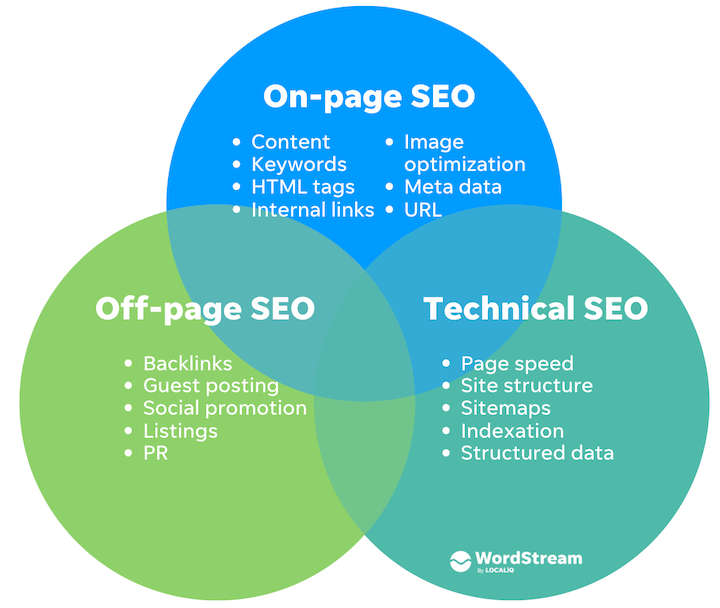
Lastly, many SEO professionals neglect building links, relying instead on organic growth without actively seeking backlinks. While high-quality content is important, without incoming links from trusted websites, achieving high positions becomes considerably more difficult. Not prioritizing link building can stall advancement and prevent websites from achieving their maximum capacity in SEO outcomes.
A Fate of Search Engine Optimization
This domain of SEO is constantly developing, powered by advancements in technology and shifts in customer behavior. As move ahead into the year 2025, it is becoming increasingly crucial for marketers and webpage owners to stay aware of emerging trends. Artificial intelligence is having a major role in this evolution, affecting everything from material creation to customer interaction. As search systems become more advanced, understanding the intent of users and delivering customized experiences will be essential to achieving strong organic positions.
Voice-activated search is another significant trend shaping the future of SEO. Due to the rise of smart speakers and voice-activated devices, optimizing for natural language queries is growing essential. This includes utilizing a conversational tone in content, focusing on long-tail keywords, and guaranteeing that information is easily accessible. Websites that adjust to these changes will probably have a competitive edge, as they address the demands of a growing number of voice search users.
Finally, the significance of local Search Engine Optimization is predicted to intensify as businesses strive to serve customers in their immediate vicinity. Improved local search functionalities and a emphasis on community engagement can drive more foot traffic to brick-and-mortar locations. Additionally, using platforms like Google My Business and local directories will turn into fundamental strategies for companies to connect with local consumers. Keeping up with these evolving trends and refining Search Engine Optimization strategies accordingly will be crucial for ongoing online visibility and growth.