

When it comes to ensuring the safety and operational capacity of electrical installations in buildings, grasping Electrician Inspection Condition Reports, is important for homeowners, landlords, and home purchasers alike. These documents serve as a complete evaluation of an electrical system, pointing out any potential hazards and verifying adherence with regulatory requirements. Nonetheless, for those not acquainted with electrical terminology and regulations, navigating the details of these reports can be daunting.
In this overview, we will explain the fundamentals of Electrical Inspection Condition Reports, presenting straightforward explanations tailored for a non-expert audience. From what exactly an EICR includes to the frequency of checks, and the consequences of an unsatisfactory report, we aim to clarify the technical terms surrounding inspection processes. If you are a landlord, a landlord, or someone considering purchasing a property, comprehending these documents is vital for upholding protection and safeguarding your investment.
Grasping EICR (Electrical Installation Condition Report) and Its Significance
An EICR (Electrical Installation Condition Report), is an important report that assesses the security and operation of a property's electrical system. This report is crucial for identifying any issues or decline in wiring and electrical installations, making sure they align with existing safety rules. Property owners and landlords must comprehend the value of obtaining an EICR, as it serves as a safeguard for the occupants' safety and helps avoid potential electrical dangers.
The importance of an EICR extends beyond adherence with regulatory demands. Regular checks can reveal latent issues such as faulty wiring, obsolete systems, or unsafe connections that could lead to severe incidents, including electrical blazes. By having a comprehensive understanding of the aspects of an EICR and its outcomes, property owners can make wise decisions regarding required repairs or upgrades to their electrical systems, thus enhancing safety for everyone living or operating in the property.
Moreover, an EICR can be a critical resource during property exchanges. When acquiring or transferring a property, having a recent report can give reassurance to investors about the state of the electrical system, possibly raising the property's value. For landlords, an recent EICR demonstrates compliance with safety rules, helping to build credibility with tenants and steer clear of legal issues. Therefore, understanding EICR Kirkcaldy Fife of EICRs can lead to less hazardous living environments and more efficient real estate transactions.
Getting Ready for a Electrical Inspection
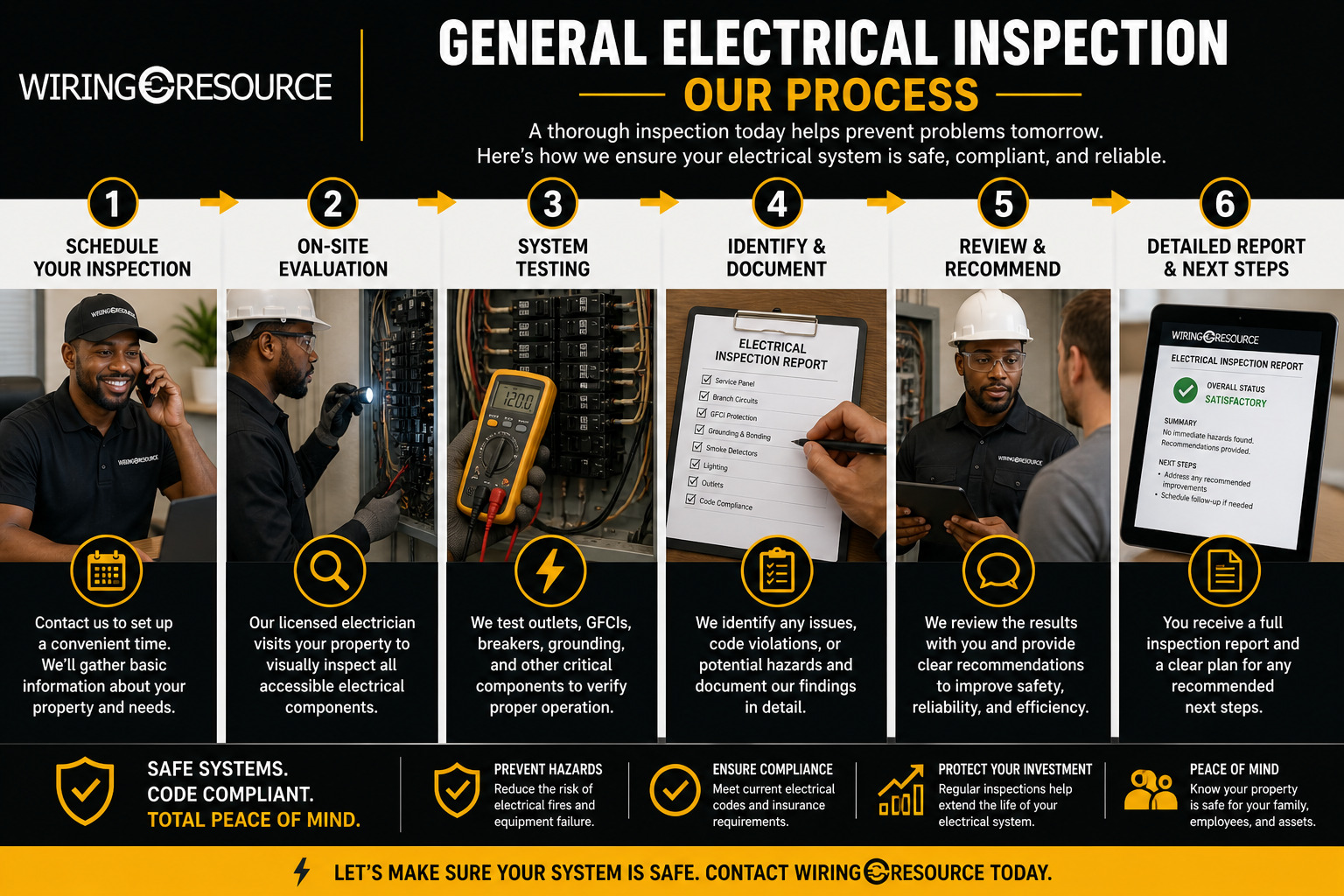
Arranging your property for a electrical examination is crucial to ensure a hassle-free process. Begin by making sure that the surroundings around your electrical panels and outlets is unobstructed of any barriers. Eliminate any items, clutter, or clutter that could impede the electrician's access to the electrical systems. This not only accelerates the inspection but also allows the electrician to conduct a thoroughgoing examination.
Afterward, collect any relevant documentation that may aid the electrician during the inspection. This includes past electrical installation condition reports, maintenance records, and any records on electrical issues you have encountered. Having this information at hand can assist the inspector comprehend your property's electrical history and provide more effective recommendations.
Finally, communicate clearly with the electrician about any notable concerns you have regarding the electrical system. Regardless of whether it's lights that flicker, tripped breakers, or any noise coming from the wiring, communicating these specifics can lead to a more tailored and effective inspection. Following these guidelines will help ensure a comprehensive evaluation of your property’s electrical safety.
Frequent Problems and Their These Issues Mean
During an Electrical Safety Report, inspectors often encounter several frequent concerns that can signal potentially dangerous conditions. One frequent problem is antiquated wiring, which may not meet up-to-date safety standards. This can pose risks of shock hazards or flame hazards, particularly in older properties. If the wiring is worn or damaged, it can lead to short circuits, necessitating swift attention and interventions.
Another common issue found is poorly connected or faulty sockets and switches. Unstable connections can create sporadic power issues and raise the risk of sparking, which can ignite surrounding materials. Additional resources will assess whether sockets and switches are properly secured and functioning as intended. Should they identify this problem, it may require replacement or maintenance to ensure safe operation.
In conclusion, poor earthing and bonding can be a serious safety concern. Proper earthing is crucial for stopping shock hazards, as it directs stray electricity effectively into the ground. If the report points out insufficient bonding of electrical components, it indicates that there could be a risk of electrical shock or failure during fault conditions. Resolving these issues quickly is crucial for upholding a safe electrical environment in any property.