

As homeowners increasingly look for ways to enhance their property and lower their expenses, the installation of solar panels has emerged as a leading solution. Not only do solar panels offer a significant reduction in energy bills, but they also provide an opportunity to increase your home's value and promote energy independence. With the right knowledge and preparation, you can make informed decisions about incorporating solar energy into your living space.
This comprehensive guide aims to simplify the solar panel installation process for homeowners. From understanding the associated costs and benefits to knowing what to expect on installation day, we will cover everything you need to know. If you are contemplating solar panels for a new build or retrofitting your current home, these insights will help you maximize your home's potential while contributing positively to the environment. Join us as we explore essential tips and expert advice on selecting the best solar solutions for your property.
Perks of Installing Solar Panels
The installation of solar panels offers many benefits for property owners wanting to increase their energy efficiency and cut down on their utility costs . One of the main advantages is the significant decrease in power costs. By harnessing Solar Panel Installation Carterton from the sun, residents can energize their households sustainably , often leading to reduced monthly electricity expenses . In many cases , surplus energy produced can be returned to the energy grid, providing an extra monetary benefit .
In aside from savings on costs, solar panels help with increasing a property's market value. Homes equipped with solar energy systems are often appealing to interested purchasers , as they represent lower energy costs and a dedication to environmental conservation. Studies have shown that homes with solar installations can fetch a higher price than those not using solar energy, making it a smart investment for long-term financial benefit .
Moreover , installing solar panels enhances energy independence . With the rising costs of fossil fuels and the volatility of energy prices , depending on solar power shields residents from price fluctuations . This independence not only secures a stable supply of electricity but also supports a growing movement towards renewable energy, allowing homeowners to play an active role in decreasing their carbon footprint and helping achieve a more eco-friendly future .
The complete Photovoltaic Installation Process
The installation of solar panels usually starts with a thorough assessment of your property. This consists of evaluating the roof's condition, orientation, and the amount of sunlight it receives throughout the day. A solar installation company will usually conduct a site visit to gather this data, ensuring that the home is appropriate for solar panel installation. They will also discuss your energy needs and goals, assisting you figure out the best system size and type for your specific situation.
Once the assessment is complete and you have chosen a setup that suits the needs, the next step entails obtaining the necessary permits. This process differs by location and may include submitting plans to municipal authorities or utilities for approval. The installation team will handle most of the administration, but it's essential to understand that this step can require some time depending on local regulations. Once permits are obtained, an installation date will be scheduled, and preparations will commence.
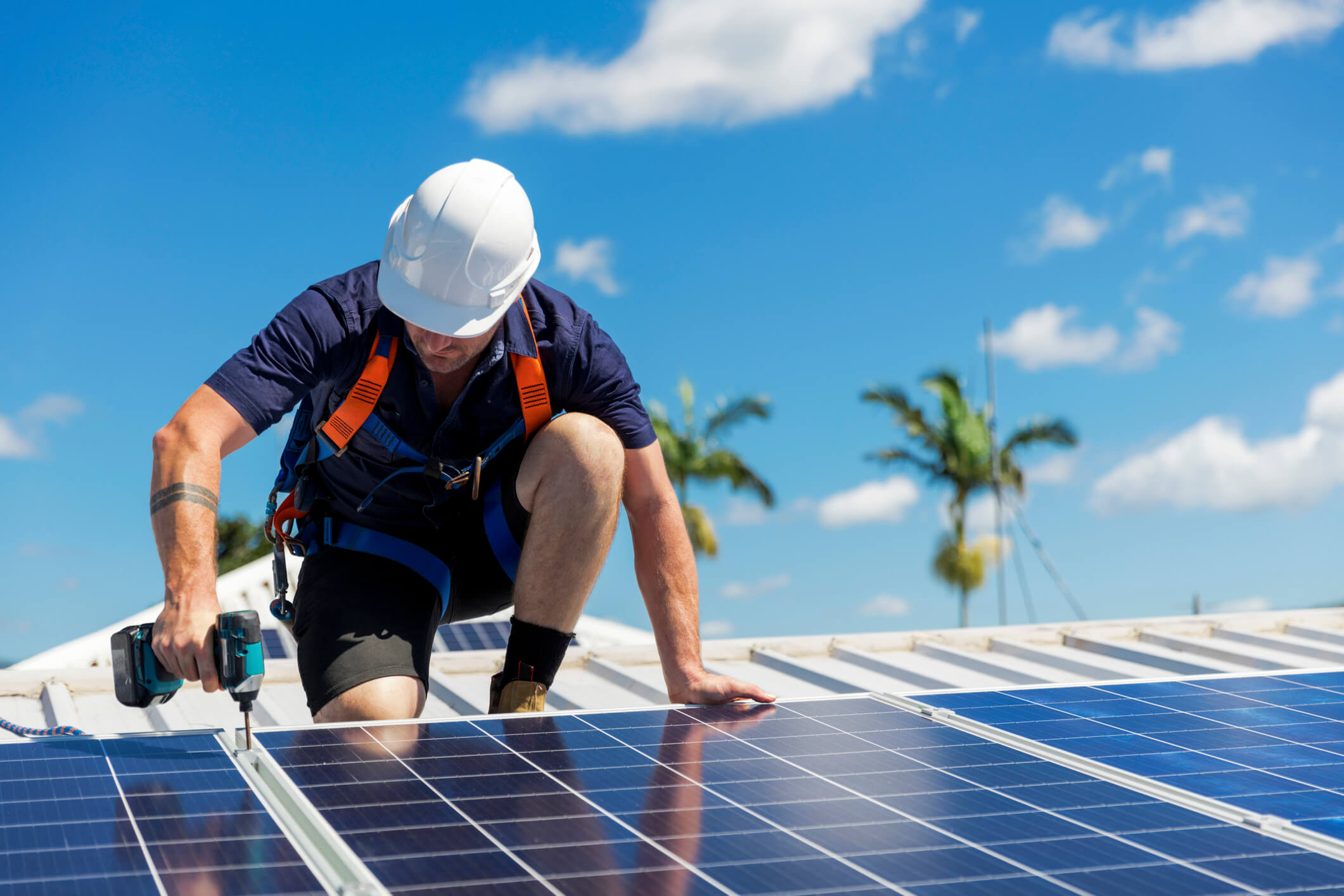
On the day of installation, the solar panel installation team will arrive to begin the work. This generally consists of mounting the panels on the roof, connecting the inverters, and linking the system to your home's electrical panel. The setup can last anywhere from a few hours to a couple of days, depending on the difficulty of the setup. After the installation is complete, your system will need to be inspected to ensure it meets local codes and standards before it can be turned on and start generating electricity.
Selecting A Suitable Solar Panel System
Determining an appropriate solar panel system for your home is important for enhancing energy effectiveness and cost reductions. Commence by evaluating your energy needs, which can be determined by examining previous utility bills and understanding peak usage hours. These details helps in calculating the total wattage required and the number of solar panels needed to fulfill your electricity usage. Additionally, consider your roof space and orientation, as these factors significantly affect solar panel placement and efficiency.
When selecting solar panels, it is important to contrast various types on the market. Monocrystalline panels are generally higher in efficiency and space-saving, while polycrystalline panels are often budget-friendly but take up more space. Thin- read more may be beneficial for certain applications due to their lightweight properties but typically have reduced efficiency. Investigate the warranty and performance guarantees provided by manufacturers, as these can provide insight into the longevity and reliability of the panels.
Finally, consider budgetary constraints and accessible financing options. Many homeowners select solar leasing or power purchase agreements, which require little preliminary investment but may lead to greater costs over time. Additionally, look into any local, state, or federal incentives that can reduce the overall cost of installation. Finding a equilibrium between quality, performance, and price will guarantee that your solar panel system is both an effective investment and a suitable choice for your home’s energy needs.