

Peptide molecules, which are the building blocks of proteins, are becoming a focus in the field of drug development due to their distinct characteristics and possible medical uses. As we investigate the realm of peptides, it becomes apparent that understanding these biomolecules is essential for scientists and anyone interested in the progress of contemporary biology. From their role in cellular signaling to their capability of shaping cellular activities, these peptides have a significant impact on health and disease, which makes them central to pharmacological advancements.
In this exploration of peptides, we will present an in-depth examination of what peptides are and how they operate within biological frameworks. Readers will discover how the configuration of peptides affects their biological activity, the important distinctions between peptides and proteins, and the critical role they play in various physiological processes. Additionally, we will discuss how researchers discover and develop new peptides, the techniques used to study their interactions with cellular targets, alongside the promising future they embody in drug development. As technology progresses and our understanding of peptide biology deepens, the transition from research labs to clinical use is more hopeful than at any time in the past.
Grasping Peptide Chains: Fundamentals and Functions
These molecules are short chains of AA typically consisting of 2 to 50 amino acids linked by peptide bonds. They serve as basic components in biological systems and play crucial roles in various cell functions. Unlike proteins, that are larger and more complex, peptides exhibit distinct functions that can be attributed to their specific sequences and structures. This clarity makes them an interesting subject of study in the realm of biochemistry and drug development.
The role of a peptide is mainly determined by its amino acid sequence. peptides science of amino acids lead to distinct three-dimensional structures, which thereby affect how peptides communicate with cells. This interaction often takes place through receptors on the surface of cells, triggering various biological responses. Comprehending how these interactions take place is vital for researchers looking to utilize peptides for therapeutic purposes, as they can frequently mimic or modulate the actions of natural hormones and neurotransmitters.
In alongside their functions in signaling, peptides are also involved in immune responses and function as antimicrobial agents. Their versatility makes them significant in modern biology, especially in the context of drug discovery. Researchers are constantly exploring how these small molecules can target specific pathways in the body, facilitating the development of novel treatments for diseases ranging from cancer to metabolic disorders. As science progresses, the importance of comprehending peptides and their functions becomes progressively clear, paving the way for innovations in medical treatments.
Peptide Discovery and Progress Process
The discovery and creation of peptides as therapeutic agents is a challenging path that starts with finding possible targets in living systems. Researchers often begin by investigating the roles that naturally occurring peptides play in cellular signaling and signal transduction. Understanding how they connect with various targets and influence cellular responses is crucial in selecting molecules that could possess healing promise. This initial stage involves thorough research and preliminary experiments to hypothesize which molecules might exhibit desired biological activities.
Once potential candidates are found, researchers move into the synthesis phase, where synthetic molecules are synthesized based on particular amino acid chains. Methods such as SPPS enable researchers to efficiently create peptides with a high degree of cleanliness. Importantly, the stability and structure of created molecules are carefully assessed to ensure that they retain their functional activity. Scientists also use various analysis techniques, including mass spectrometry, to verify the structure and confirm the character of these molecules, setting the stage for additional evaluation.
After synthesis and analysis, molecules undergo stringent pre-market evaluations to evaluate their efficacy and safety. This includes examining how molecules interact with their targets and their pharmacokinetic profiles, as well as performing in vitro and live studies. Sophisticated computational biology techniques play an essential role in predicting molecule behavior and guiding modifications that enhance their characteristics. As researchers navigate through this complex development method, the final objective is to deliver successful protein-based treatments from the laboratory to medical settings, fulfilling ignored medical needs with creative approaches.
Peptide molecules in Contemporary Drug Development
Peptide molecules have emerged as a pivotal component in modern drug development due to its unique ability to target particular biologic routes with great precision. Unlike traditional small molecule drugs, peptide molecules can interact with biologic systems in a more subtle way, often leading to less side effects. This targeted action is largely attributed to its capability to attach to receptors on the surface of cell membranes, triggering specific cellular responses and affecting signaling pathways. As a result, peptide molecules are being formulated for a broad range of therapeutic uses, including oncology treatment, metabolic disorders, and contagious illnesses.
The production process of peptide-based drugs is complex, involving a combination of computational biology, rapid screening, and refinement of amino acid sequences. Researchers must understand how structural and compositional variations influence the biologic activity of peptide molecules, which makes the investigation of peptide libraries and lab-created peptides crucial in discovering new candidates. Techniques such as mass spec are instrumental in defining these peptide molecules and ensuring the purity and stability, essential factors that determine the effectiveness and safety in clinical settings.
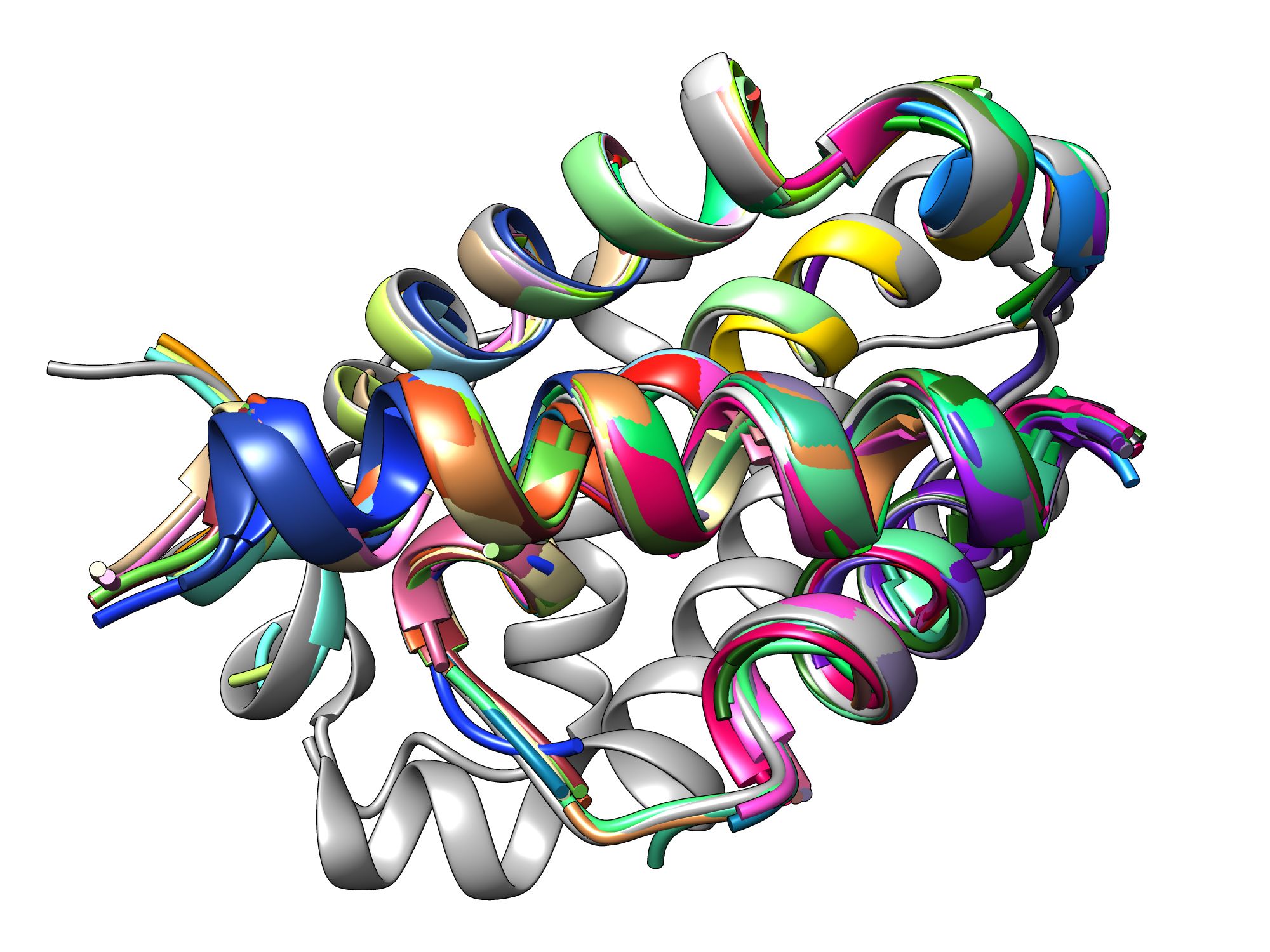
As the field of peptide science continues to progress, advancements such as novel delivery methods and the combination of peptide molecules with other medical modalities are leading to for more effective therapies. The prospects of peptide molecule research looks encouraging, with continuing studies focusing on understanding peptide-target interactions and improving their durability in living environments. As scientists continue to decipher the complexities of peptide biology, we can anticipate a fresh wave of peptide drugs that will change the field of modern medicine.