

Are you contemplating making the switch to solar energy for your home? Due to rising energy costs and a increasing awareness of environmental issues, solar panels have become an attractive option for homeowners looking to reduce their energy bills and make a constructive contribution on the planet. This comprehensive guide will walk you through all you need you need to know about solar panel installation, from the first considerations to the final setup, ensuring you're ready for this exciting investment in your home.
In "Solar Panels 101: A Comprehensive Guide to Installation," we will explore the important steps involved in setting up solar panels, what to expect during the process, and how to choose the right system for your property. We will also cover the financial aspects, benefits, and possible challenges of solar panel installation, helping you realize whether this is the appropriate choice for your energy needs and lifestyle. Whether you are looking to enhance your energy efficiency, reduce your carbon footprint, or increase your home's value, this guide is designed to equip you with all the information necessary to make informed decisions about solar energy.
Understanding Solar Panel Installation
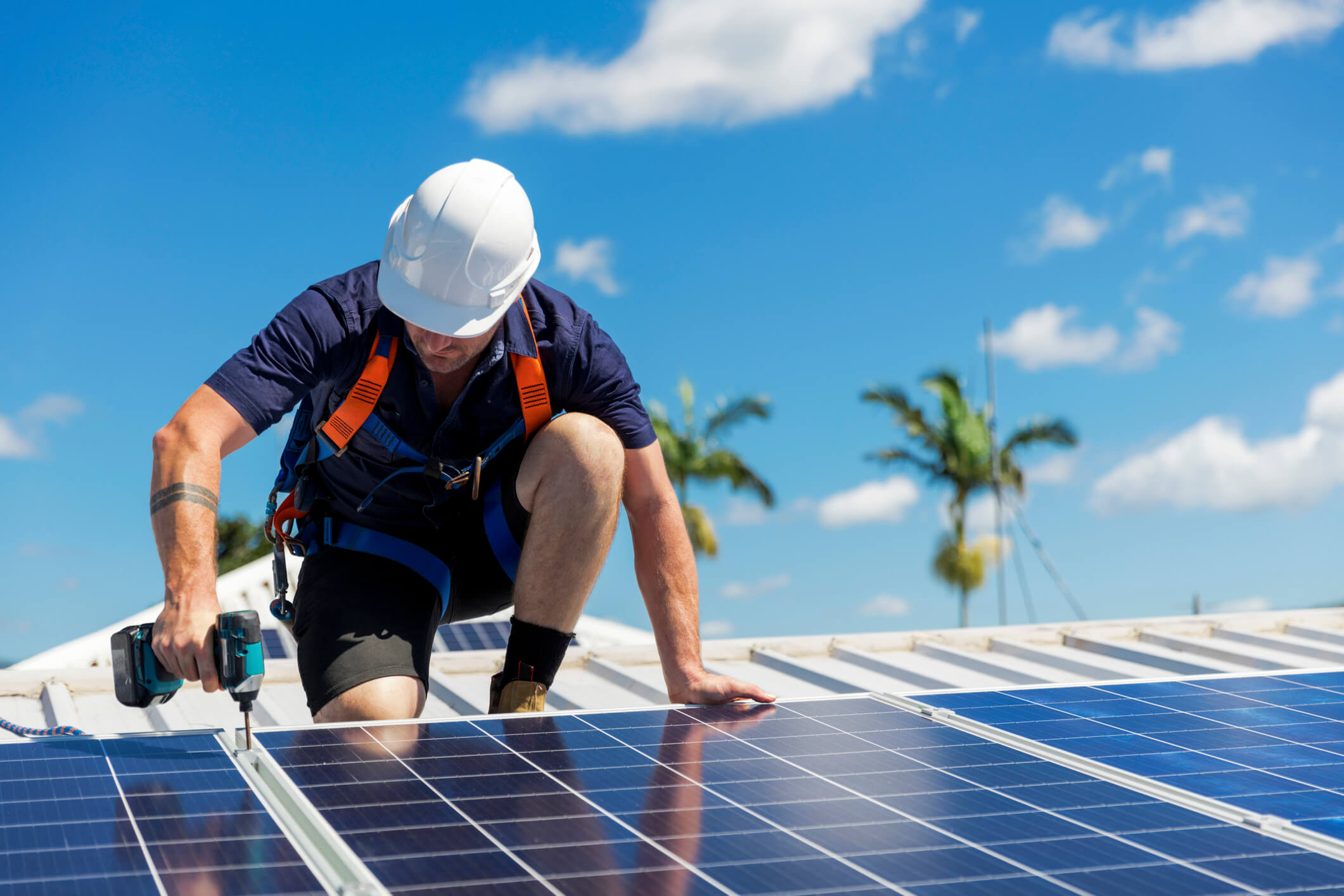
Installing solar panels refers to the process of establishing solar photovoltaic systems on residential or industrial properties to harness sunlight and change it into electricity. Individuals wishing to lowering their energy bills and increasing their energy independence often explore this green energy solution. The installation usually involves assessing the property’s appropriateness, calculating the number of panels needed, and picking the best type of solar panels considering factors such as performance, guarantee, and aesthetics.
The preparation stage is critical in the solar panel installation procedure. Individuals should check their roofs for orientation, shading, and strength since these factors directly impact the system’s performance. It is also crucial to be aware of the local regulations, authorization obligations, and any subsidies or tax credits available for setting up solar panels. Thorough planning can significantly ease the installation procedure and ensure that the system functions effectively for many years to come.
Once the planning and preparation are complete, professional installers will typically take care of the installation itself. This entails installing the solar panels, attaching them to an inverter, and connecting the system to the home’s electrical system. The installation time can differ based on system size and complexity, but most installations can be done within a day or two. This process not just moves homeowners to a cleaner energy source but also opens the door to ongoing financial savings and enhanced property value.
Expenses and Advantages of Solar Panels
The upfront cost of photovoltaic system installation can be a considerable consideration for residential users. Costs vary based on the dimensions of the system, gear specifications, and installation complexity. On average, a residential solar panel system may cost between ten thousand to $30,000 dollars prior to tax benefits and rebates. Nonetheless, many homeowners can cut down on this expense through federal and state tax credits, returns, and financing arrangements, making the installation more cost-effective.
Despite the upfront cost, solar panels can lead to substantial long-term benefits on energy bills. By capturing sunlight to produce electricity, homeowners often witness reduced monthly bill amounts. In several instances, solar energy can provide a payback within 5 to 10 years, depending on geographic area and energy demands. Additionally, as energy prices continue to escalate, solar panels protect homeowners from varying energy costs and provide consistent savings over the years.
Furthermore, the advantages extend beyond monetary savings. Solar panel installation can significantly increase a home's energy efficiency and overall property value. Homes with solar systems frequently attract buyers looking for energy-efficient and environmentally sustainable options, making them more marketable. Additionally, solar energy contributes in minimizing carbon emissions, creating a beneficial impact on the environment. Overall, homeowners are bound to find that the benefits of setting up solar panels far outweigh the upfront costs.
Selecting the Appropriate Setup Team
In the realm of solar panel installation, selecting the right installation team is vital for guaranteeing a effective project. Begin by researching local solar companies and reading consumer reviews. Look for certifications and licenses that exhibit their knowledge and reliability. A good installation team should have experience specifically in domestic solar installations and a strong reputation of productive projects.
Request multiple quotes from different companies to compare pricing, services offered, and warranties. Don't just zero in on the lowest price; take into account the overall benefit, including the standard of tools they use and their after-installation support. Ask possible installers about their knowledge with your type of roof and the particular solar panels you are thinking about, as the compatibility of the system is vital for maximum performance.
Finally, communication is key. https://lowe-gupta-3.federatedjournals.com/eco-friendly-energy-ways-to-successfully-put-in-photovoltaic-panels-in-your-house should be willing to answer your questions, provide clear timelines, and keep you informed during the process. Trust your instincts—if something doesn’t feel right or if the company isn’t open with information, it may be best to carry on with your search for a team that emphasizes customer care and transparency.