

Within the dynamic realm of building, scaffold systems plays a vital role that often goes unnoticed. As projects grow in size and complexity, the need for qualified scaffolding professionals becomes increasingly important. These individuals not only provide a secure surface for workers to carry out their duties but also ensure that tasks proceed without unnecessary delays. Recognizing the importance of scaffolding and the knowledge that professionals bring to the table can help homeowners, builders, and project leaders make informed decisions about their building needs.
This write-up explores the cutting-edge practices and fundamental services offered by leading scaffolding professionals. From the importance of safety measures to the newest developments in scaffolding technology, we’ll cover key insights, tips, and explanations why hiring certified contractors is critical. Whether you're a first-time homeowner starting on a renovation or a seasoned builder overseeing a massive project, understanding what a scaffolding contractor does and the benefits of their skills is necessary for success.
## Understanding Scaffolding
Temporary contractors serve a essential role in the development industry, providing temporary supports that support workers and materials during building projects. Their primary responsibility is to develop, provide, and install scaffolding systems tailored to the specific needs of every project. This frequently involves working directly with designers and engineers to confirm that the scaffolding adheres to safety standards and is structurally sound for the planned use. By handling the logistics of scaffolding installation, these professionals allow construction teams to concentrate on their essential tasks without delays.
Safety is crucial in the role of scaffolding contractors. Scaffolding In Maidstone are trained to implement safety measures, conduct safety assessments, and make sure that all equipment is regularly checked and maintained . This commitment to safety safeguards not only the workers on site but also the public and the safety of the buildings being constructed or renovated. Their skills helps prevent accidents, which can lead to expensive delays and legal repercussions for construction companies.
Choosing the appropriate scaffolding contractor involves assessing their background, licensing , and safety history. A reputable contractor will have a demonstrated track record of effectively completing projects while complying to regulations and safety standards. For project managers and builders, knowing the abilities and dependability of scaffolding contractors is essential for ensuring that construction runs smoothly and efficiently . With their knowledge of various scaffolding systems and compliance requirements, professional contractors can greatly contribute to the overall success of construction projects.
Safety and Compliance in Scaffolding
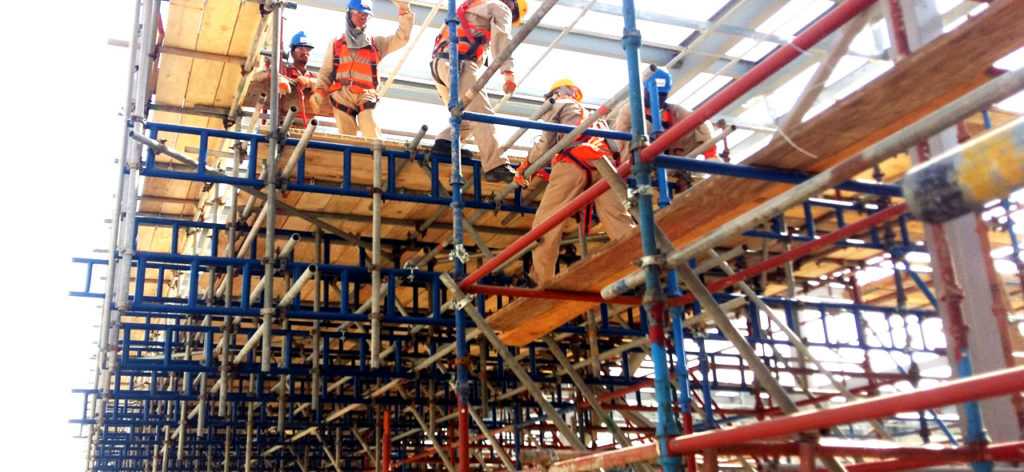
Protection is a paramount concern in the scaffold industry, as the nature of work often involves working at significant heights and in varied conditions. Contractors in scaffolding are charged with enforcing strict safety measures to protect workers, site visitors, and the general public. This includes the use of protective equipment, regular training sessions for staff, and strictly adhering to safety regulations as outlined by regional legislation and industry standards. By prioritizing safety, contractors not only reduce accidents but also establish a reputation for trustworthiness and professionalism.
Compliance with sector regulations is another critical aspect that contractors must address. Various governing bodies provide rules regarding the planning, erection, and maintenance of scaffolding systems. Contractors must stay updated on these regulations to ensure their projects meet or exceed safety standards. This compliance not only reduces legal risks for contractors but also assures clients of the integrity of the scaffolding systems being used, building trustworthiness in their services.
To further enhance safety and compliance, contractors often conduct thorough inspections of their setups both during and after installation. These inspections help identify potential hazards, ensuring that any issues are addressed immediately before work begins. Additionally, many contractors utilize checklists to verify that all safety measures are in place, offering reassurance to teams working at heights. By promoting a culture of safety and compliance, scaffolding contractors can significantly contribute to the overall success of construction projects.
Selecting the Right Scaffolding Options
Selecting the suitable scaffolding solutions is essential for the achievement of any construction job. First, evaluate the specific requirements of your project, such as kinds of tasks to be executed, height, and access needs. Diverse scaffolding types, such as frame, modular, and suspended scaffolding, fulfill various purposes. Understanding the scope of your work assists in determining which scaffolding solution will deliver the best support and security.
Next, review the qualifications and experience of the scaffolding contractor you plan to engage. Seek out contractors who focus in the kind of scaffolding you seek and have a proven track record in similar projects. A dependable contractor will not only supply the suitable gear but also ensure compliance with safety regulations and guidelines, greatly lessening the risk of hazards on-site. Their knowledge is priceless in navigating the challenges of scaffolding configurations.
Lastly, always be mindful of the cost implications of your scaffolding choices. While it may be tempting to select the cheapest option, spending in premium scaffolding that meets safety requirements can conserve money in the end by stopping delays and accidents. Moreover, certified scaffolding contractors can provide insights into cost-effective options without jeopardizing on security or productivity, ensuring the scaffolding solution aligns with both financial and functional goals.