

Funeral planning is an important yet often challenging task that numerous families face during one of the hardest periods in their lifetime. As traditions that previously held sway change, so too do the methods surrounding honoring and remembering loved ones. In today's world, merging traditional customs with contemporary advancements allows families to create services that are not only dignified but also reflective of the distinct personality of the deceased. This article aims to guide you through the key aspects of funeral planning, from understanding costs and deciding between burial or cremation to choosing the right funeral director.
Whether you are faced with organizing a funeral for a loved one or thinking about pre-planning your own, having a comprehensive understanding of the choices available can reduce the stress linked to these decisions. With personalized touches and contemporary approaches, families now have the chance to honor the life of their loved ones in genuinely meaningful ways. By exploring various aspects like funeral etiquette, the significance of discussing wishes with family members, and the impact of technology on modern funeral practices, we hope to provide a complete guide to maneuvering through the complexities of funeral planning in a considerate and compassionate manner.
Vital Guidelines in Funeral Preparation
Planning a funeral can be an daunting task, especially during a time of loss. The first critical step is to know the wishes of your loved one. It's important to have discussions about their desires regarding interment or cremating, kind of ceremony, and any particular requests they may have had. If these preferences were not addressed in advance, consider gathering family members to share stories and reflections on what they think would honor the deceased best.
Once you have a defined understanding of the wishes, the next step is to make a list of all the necessary plans. This includes choosing a director of funerals, choosing between a traditional service or a life celebration service, and establishing a financial plan. Understanding the costs involved in memorial preparation is essential to avoiding unexpected expenses. Having a structured checklist will help ensure that no detail important is overlooked amidst the stressful situation.
The final step involves arranging and personalizing the service to represent the individuality of the departed. This may include selecting significant music, literature, and tributes that resonate with their life story. Additionally, consider how to create https://notes.io/eBZyG for family and friends to gather and express their memories. Personal touches significantly transform a traditional service into a lasting celebration of life, making it an important aspect of the preparation process.
Understanding Memorial Costs and Choices
Memorial expenses can vary substantially according to multiple elements, such as the type of service and the selections chosen. Relatives often face unexpected expenses, making it essential to understand the elements that add to total memorial costs. These may include charges for the funeral director’s services, casket or container choice, embalming, transportation, and location rental for the ceremony. Additionally, relatives should be mindful of other associated costs, such as cemetery fees, flowers, and obituary notices.
When planning a funeral, it is essential to consider choices thoroughly to ensure a meaningful tribute without financial burden. Families can select between classic funerals, which may include a viewing and burial, or alternatives like immediate cremation or green choices, such as green burials. Each choice comes with its distinct array of costs and advantages, and comprehending these can help families make informed choices that reflect their values and financial capacity.
Pre-planning funerals can provide families with reassurance, allowing them to discuss and define their wishes while considering monetary implications. This proactive method can also help avoid last-minute choices that often lead to excessive costs. By exploring various financial assistance avenues, such as online fundraising or community support, relatives can reduce financial burdens and focus on celebrating their loved ones in a manner that seems right for them.
Personalizing the Funeral Experience
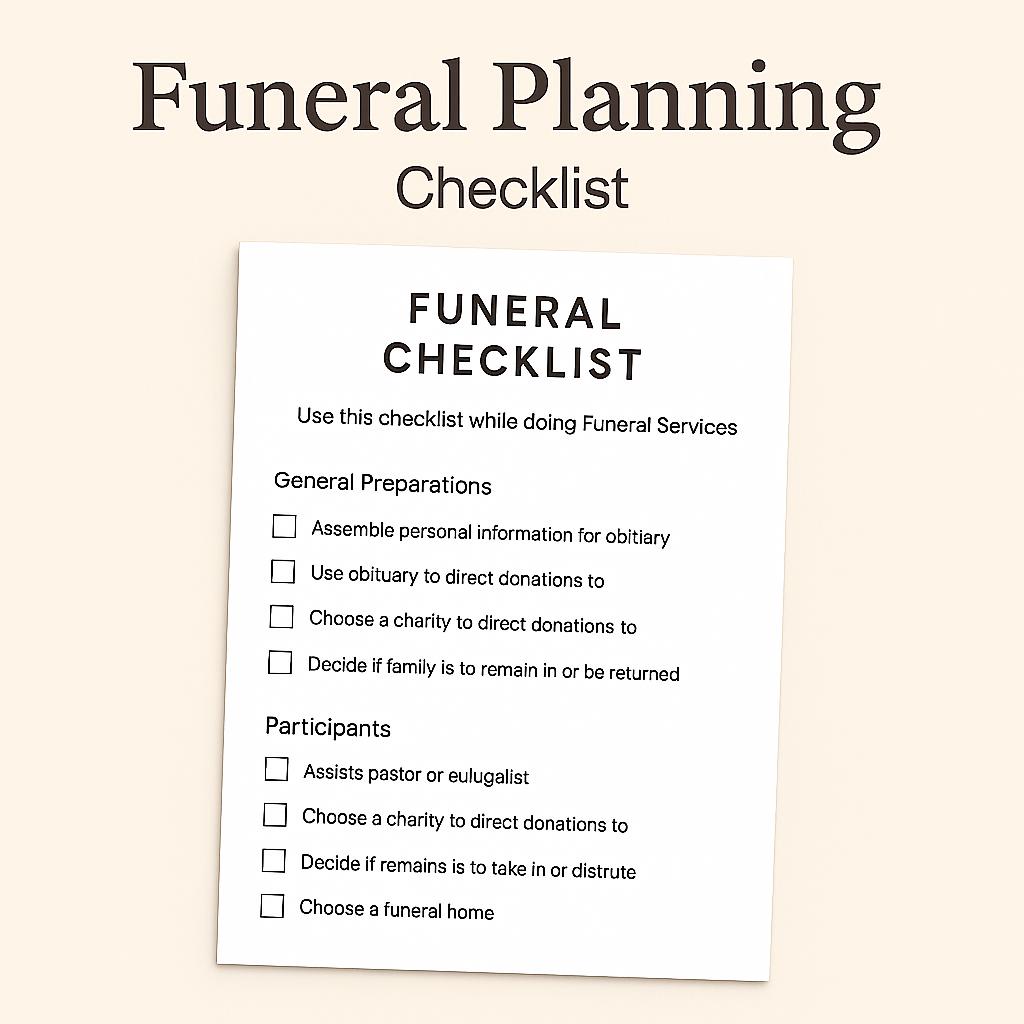
Customizing a memorial experience can create a significant tribute that represents the legacy and principles of the individual. Families can include elements such as preferred songs, photos, and cherished items that showcase precious remembrances. By including narratives or anecdotes shared by family and friends, the ceremony can evolve into a celebration of life rather than just a mourning period. This approach not only honors the individual but also offers comfort and support for those in participation.
In addition, incorporating personal touches throughout the service can contribute to the experience more memorable. This might entail personalizing the funeral program with individual messages, selecting readings that hold significance to the deceased, or picking themes that reflect with their passions and values. Building a special environment where friends and family can gather to honor and commemorate their dear one can nurture a feeling of community and support during a difficult time.
In conclusion, exploring alternative formats, such as a life celebration instead of a traditional memorial service, can further personalize the event. These events can be more informal and feature engaging activities like offering public memories or multimedia presentations. By discovering innovative ways to remember the deceased, families can build an event that feels genuine and uplifting, allowing everyone to feel linked and supported in their mourning.