

Within the domain of metropolitan growth and building design, structural engineers play a crucial role that often goes overlooked. They are the cornerstone of each construction initiative, ensuring that edifices and frameworks are not only beautiful but also secure and functional. From towering skyscrapers that define urban landscapes to bridges that connect populations, structural engineers bring visions to life while adhering to stringent safety standards and design principles. Their expertise is vital in creating structures that can resist the ravages of time, as well as the natural elements.
As metropolises continue to expand and evolve, the need for innovative and green design is greater than ever. The work of engineers goes further than mere mathematical analysis and designs; it encompasses a deep comprehension of materials, load-bearing principles, and the most recent innovations. This article will examine various aspects of the engineering discipline, delving into its importance in modern construction, the collaborative relationship between structural engineers and architectural teams, and the upcoming developments that are shaping the sector. Whether you are a novice interested in learning about the basics of engineering principles or a seasoned professional seeking insights into new innovations, this guide aims to shed light on the significant contributions of structural engineers in metropolitan planning and construction.
Grasping Structural Design
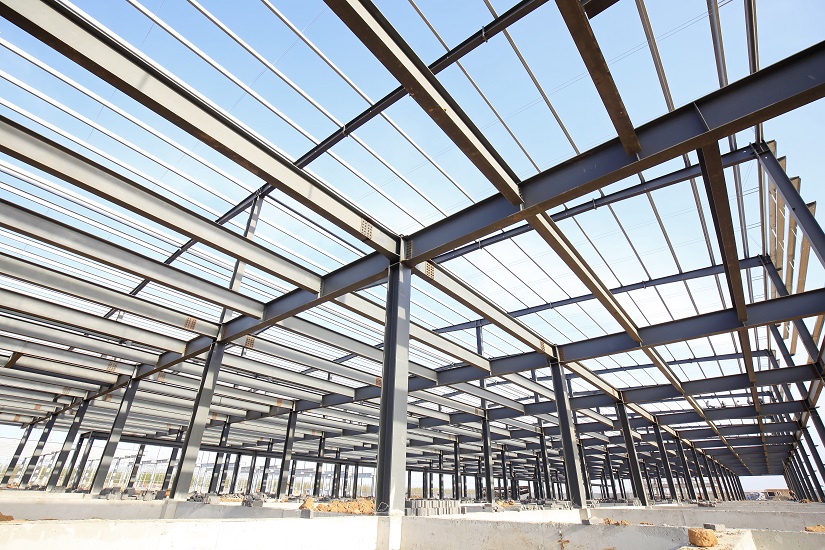
Structural design is a distinct area in civil engineering which concentrates on the design, evaluation, and building of infrastructures that support or resist loads. It involves the utilization of physics, mathematics, and materials science to ensure that buildings, bridges, and other constructs can bear the forces they meet throughout their duration. By understanding these essential principles, structural engineers design safe and functional designs that meet both aesthetic and functional requirements.
In real-world applications, structural engineers collaborate with architects to make design concepts a reality while guaranteeing safety and compliance with standards. They analyze the potential stresses a structure will endure, including gravity, wind, and seismic activity, and apply their knowledge to create solutions that reconcile safety, cost, and design objectives. This partnership is vital, as it integrates the design aspects of architecture with the strict demands of structural integrity.
The value of structural engineering cannot be overstated, as it plays a critical role in modern urban development. From skyscrapers that shape city skylines to bridges that unite communities, structural engineers are at the vanguard of innovative solutions that enhance infrastructure. Their work not only affects the immediate environment but also plays a part to the long-term endurance and resilience of urban areas.
Key Contributions of Building Engineers
Civil engineers play a vital role in securing the safety and durability of edifices and infrastructure. More helpful hints conduct comprehensive assessments to ascertain how structures will respond to different weights and forces, including loads from inhabitants, climatic conditions, and tremors. By grasping the theory behind structural walls and supports, they design solutions that not only support the planned function of the edifices but also shield against risk of failure. This expertise is crucial for building secure spaces for the public.
Moreover, structural engineers work together with designers to transform creative concepts into existence while ensuring that the strength of a project is upheld. They provide insights into choosing materials, applying the conventional resources, and exploring advanced methods in construction. This cooperation often results in unique construction characteristics that complement with safety standards and regulatory measures, matching design beauty with practicality.
Further, the contribution of structural engineers expands to sustainability practices within urban development. They are at the forefront of implementing green building initiatives that save resources and reduce harm to the environment. By incorporating green design practices, civil engineers support the advancement of building design and metropolitan designs, ensuring that modern developments are both sustainable and robust, coping with the evolving challenges of city life.
Upcoming Developments in Civil Engineering
As we turn towards the horizon, one of the most important changes in civil engineering is the growing incorporation of advanced tech and digital tools. Breakthroughs such as Building Information Modeling and 3D modeling are set to revolutionize how engineers design and analyze structures. These tools allow for greater precision and collaboration between engineers and architects, resulting in more streamlined workflows and improved project results. Additionally, the adoption of AI and machine learning will allow engineers to predict structural performance and optimize designs like no other.
Sustainability is another crucial emphasis for the upcoming phase of civil engineering. As global recognition of environmental issues grows, there is a shift towards sustainable building that prioritize energy efficiency and incorporate sustainable materials. Structural engineers will play a key role in this shift by creating innovative solutions that minimize a building's environmental impact. From the use of recycled materials to the implementation of renewable energy systems, the dedication to sustainability will redefine the parameters of structural design.
Finally, the challenges posed by global warming and city expansion will affect future structural engineering practices. As cities grow, engineers will need address the demands of increasing populations while ensuring security and robustness against natural disasters. This includes designing structures that can withstand extreme weather events and creating infrastructure that can adapt to shifting environmental conditions. By focusing on safety and durability, structural engineers will be essential in molding urban landscapes that are both functional and robust.