

Regarding maintaining a wholesome home environment, the importance of your HVAC system often goes ignored. Many people think of heating and cooling only in terms of convenience, but the truth is that an efficient HVAC system significantly impacts indoor air quality and overall safety. Neglected heating, ventilation, and air conditioning systems can lead to a host of health issues, from allergic reactions and respiratory problems to greater susceptibility to sickness. Understanding your HVAC system works and how to care for it is crucial for safeguarding your health and ensuring a secure living space.
In this article, we will discuss the various ways HVAC affects your health and why it is important more than you realize. From identifying the signs that indicate your system needs immediate attention to learning about energy-efficient options and indoor air quality improvements, we will guide you through the essentials of HVAC maintenance and care. By taking preventive steps, you can create a healthier, comfort-oriented home while also enhancing your HVAC system's durability and efficiency.
HVAC System Care Fundamentals
Adequate maintenance of your HVAC system is crucial for guaranteeing peak performance and longevity. Regular servicing helps to identify likely issues before they increase into costly repairs. Homeowners should establish a regular maintenance schedule that features a comprehensive inspection and tune-up at a minimum of once a year, ideally before the cooling or air conditioning season starts. This proactive approach not only boosts system efficiency but also enhances indoor air quality, benefiting your overall health.
A well-maintained HVAC system lowers energy consumption, which translates to lower utility bills. Routine tasks such as replacing air filters on a consistent basis can greatly impact the airflow and efficiency of your system. Ignoring these minor but essential tasks can lead to increased wear and tear, resulting in more frequent breakdowns and repairs. Keeping an eye on your system's performance and understanding the signs that it might require attention can prevent more significant issues in the future.
In parallel to routine maintenance, understanding your specific HVAC system type is essential for effective care. Various systems have varying requirements and service needs. why not find out more with these aspects will enable you to adhere to recommended maintenance practices, ensuring that your HVAC system continues to run smoothly and efficiently for many years to come.
Boosting Indoor Atmospheric Quality
The standard of interior air is vital for maintaining a nurturing living environment. HVAC mechanisms play a integral role in managing interior air quality by controlling ventilation, moisture levels, and temperature. Adequately functioning HVAC mechanisms can filter out pollutants, irritants, and various dangerous particles from the air, making it crucial to prioritize regular upkeep and air filtration changes. Homeowners should be diligent about their HVAC systems, ensuring they are equipped with premium filters that collect dust, pollen, and additional pollutants efficiently.
Moisture levels significantly impact indoor air quality, affecting not only contentment but also well-being. An HVAC system equipped with a dehumidifier can reduce excess humidity, reducing the growth of mold, dust mites, and additional allergens. Conversely, excessively dry air can result in respiratory issues and discomfort. Homeowners should monitor humidity levels and tweak their HVAC controls as needed to ensure balanced humidity that promotes a salubrious atmosphere.
To further elevate indoor air quality, explore adding extra technologies into your HVAC unit. Air filtration devices can be added to help eliminate certain impurities, while smart thermostats allow for enhanced control of indoor environment, ensuring steady air quality. By understanding how your HVAC mechanism works with indoor air quality and proactively maintaining it, you can create a better home space for yourself and your loved ones.
Energy Conservation and Savings on Expenses
Putting money in an efficient HVAC system can lead to significant savings on your energy costs. Such units are designed to use less power while providing the equivalent level of comfort, which not just lowers costs and also diminishes your environmental impact. By upgrading to an energy-efficient model, you will enjoy lower monthly utility bills and possible rebates from local utility companies, making it a financially savvy choice for homeowners.
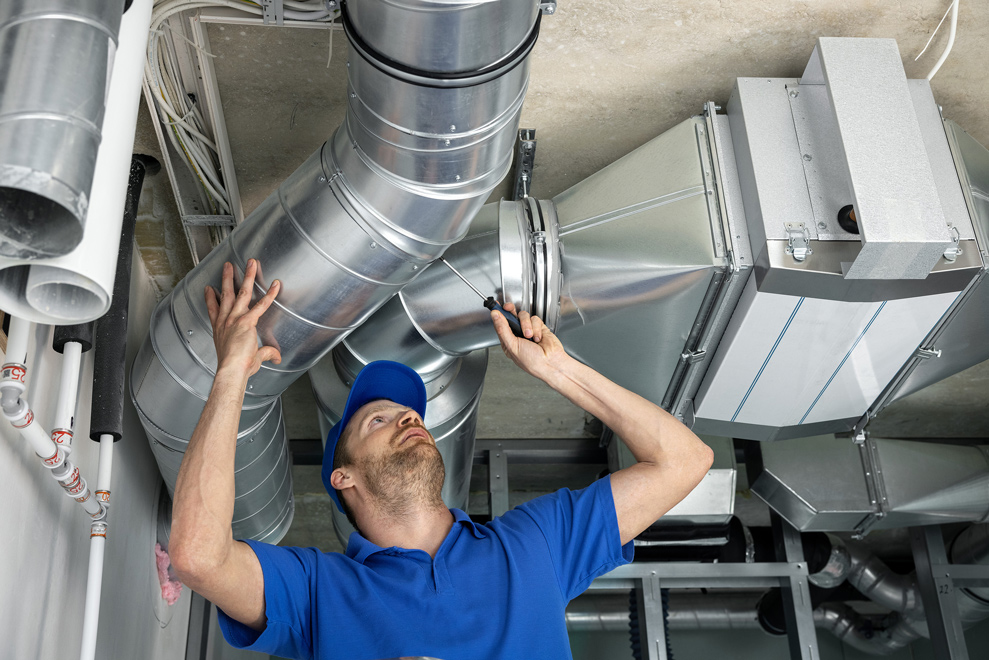
Moreover, maintaining your HVAC system through regular service can enhance its efficiency. see this like replacing air filters frequently and scheduling annual tune-ups can keep your system functioning at peak performance. This preventive maintenance lowers energy consumption, which helps in further cutting costs. Understanding the significance of efficiency ratings, such as SEER (Seasonal Energy Efficiency Ratio), can also guide you in choosing systems that provide the best bang for your buck.
In conclusion, adding programmable or smart thermostats into your HVAC system can result in additional cost savings. These devices let you create customized heating and cooling schedules, ensuring you're not wasting energy when you're not home. By optimizing your system's operation, you'll not only enjoy a comfortable living environment but also substantially reduce your heating and cooling expenses over time.