

Owning a watercraft is a fantastic asset, but like any asset, it needs safeguarding from the environment to maintain its worth and longevity. One of the best ways to safeguard your boat is through a quality vessel cover. Whether you’re a seasoned boater or a beginner to the sea, knowing the diverse choices available can help you make an educated decision. In Boat Cover Nelson Lancashire , we will discuss the various types of vessel covers, their benefits, and what to take into account when acquiring one to guarantee that your asset is kept safe and sound.
From basic tarps that offer minimal protection to made-to-measure covers designed to the specific size of your vessel, the choices can be overwhelming. This comprehensive guide will examine the essential aspects of boat covers, such as different materials, weatherproof versus water-resistant features, and how to fasten your cover in harsh conditions. By the end of this review, you will know not only how to select the proper cover for your boat but also how to maintain it correctly, ensuring your boat is ready for exploration whenever you are.
Determining your Appropriate Boat Cover
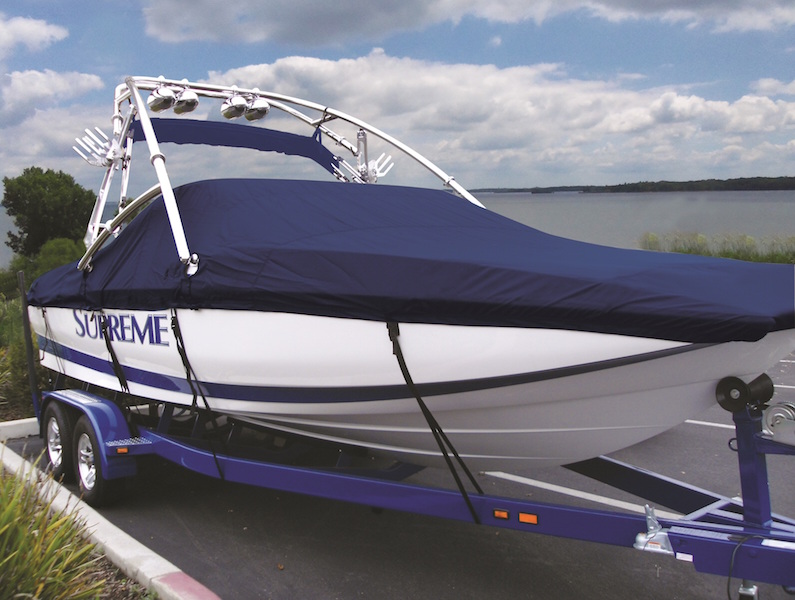
Selecting your right boat cover is crucial for protecting your investment and guaranteeing your vessel stays in optimal condition. When considering options, initiate by figuring out if you need a tailored or standard cover. Custom covers are designed to fit the particular dimensions and characteristics of your boat, delivering the best level of protection. On the other hand, universal covers are widely available and can fit a variety of boat sizes, making them a affordable alternative. However, remember that a less specific fit may not ensure the same level of security against the elements.
Afterward, think about the materials used in boat covers, as they are important in long-lasting performance and effectiveness. Common materials include synthetic fibers and acrylic, which provide excellent UV protection and moisture protection. Reflect about your boat's environment as well; if you use your boat in saltwater, a cover with increased corrosion resistance will be helpful. For inland use, water-resistant materials may work adequately, but confirm they provide breathability to avoid mold and mildew formation.
Finally, take the time to measure your boat correctly for the perfect cover fit. Correct measurement is essential to stop water accumulation and confirm that your cover keeps firmly in place, even in high winds. Be sure to measure the length, width, and height of your boat, including any addons such as towers or winches. This careful consideration will help you choose a cover that delivers comprehensive protection, ultimately prolonging the life of your vessel.
Crucial Features and Benefits
As you choosing a cover for your boat, certain aspects can greatly improve the safeguarding of your vessel. One essential aspect is the material used. Premium fabrics ensure strength, protection to ultraviolet radiation, and water-resistant properties, which keep your boat is safeguarded against harsh elements. Breathable materials are also essential as they aid avoid mold and mildew, which can form in humid environments. These features not only provide instant protection but also prolong the durability of your boat, rendering your investment more beneficial.
A further significant feature is the fit of the cover. Bespoke options offer tailored protection that adapts to the distinctive shape of your boat, minimizing the chance of water pooling and promoting better airflow. Universal covers are more versatile but may not provide the equivalent protection. Selecting the appropriate fit ensures that your boat retains its state over time, ultimately preserving its resale value. A good fit also makes easier installation and assists secure the cover against high winds.
Lastly, the ease of installation and maintenance can make a significant difference in your time on the water. Look for covers that include convenient mechanisms for securing and modifying, allowing for quick setup and removal. Additionally, options that are simple to clean and maintain will save time and trouble in the long run. By investing in a cover with these essential features, you not only safeguard your boat but also enjoy increased peace of mind while dealing with various climate issues.
Care and Storing Advice
To secure the longevity of your boat cover, ongoing maintenance is crucial. Start by checking your cover for any signs of deterioration and tear, such as tiny tears or frayed seams. Fixing these issues promptly can stop larger problems down the line. Washing your boat cover every few months is also important; use a mild detergent and a non-abrasive brush to eliminate dirt, mold, or mildew. After cleaning, rinse thoroughly and allow it to dry completely before putting away, as moisture can lead to mold growth.
When it comes to keeping your boat cover, it is important to do so in a cool, dry place away from strong sunlight. Avoid folding the cover tightly, as this can create creases and stress points that may damage the fabric over time. Instead, opt for hanging it up or rolling it loosely to maintain its quality. If you have space, using a ventilated storage bag can also protect your cover from dust and insects while allowing air circulation.
Additionally, when not in use, be cognizant of how to fasten your cover. Ensure that it is correctly fitted and tightened to stop flapping in the wind, which can lead to damage or wear. Using straps or cords can help keep the cover in place. Being attentive with these maintenance and storage tips will greatly enhance the lifespan of your boat cover, preserving your investment for years to come.