

Upholstery furnishings plays a vital role in establishing a comfortable and welcoming living space. However, without proper care, your beloved chairs and sofas can become soiled, dusty, and even smelly over time. This is where upholstery cleaning comes in; it not only enhances the visual appeal of your furniture but also promotes a more sanitary living environment. Whether you are a seasoned homeowner looking for tips or a newcomer wanting to keep your furniture in top shape, understanding upholstery cleaning is essential.
In this article, we will share expert insights and practical hacks to help you address common upholstery challenges. From understanding https://wade-noer-2.technetbloggers.de/breathe-a-new-spirit-into-your-old-furniture-a-fabric-cleaning-experience to identifying the best solutions for stubborn stains, we have got you covered. We will explore everything from regular maintenance to the science behind expert cleaning, ensuring that your furniture remains vibrant and durable for years to come. Let’s dive into the definitive guide to upholstery cleaning and uncover efficient techniques that every homeowner should know.
Common Upholstery Stains and Solutions
Furniture can quickly become affected by a variety of stains, and knowing how to manage them can create a considerable difference in maintaining the aesthetic of your furniture. One of the most common stains you might encounter is liquids from food and drinks, such as java or red wine. For these, quickly pat the stain with a new, non-wet towel to soak up as much fluid as you can. After blotting, combine of mild dish soap and lukewarm water, then lightly rub the stained spot with a gentle cloth until the blemish lifts. Rinse with a moistened cloth following this to eliminate any soap residue.
Another frequent problem is pet stains, which can consist of urine or paw prints. For urine, it is vital to take immediate action. Use paper towels to soak up any moisture, then clean the section with a mixture of vinegar, water, and a bit of dish soap. This not only assists in cleaning stains but also mitigates scents. For mud marks, allow the mud to set before removing the excess dirt and following up with a moistened cloth to wash the upholstery.
Finally, oil spots from cooking, greases, or even creams can be particularly stubborn. To treat these, apply baking soda to the stain and permit it to stay for a minimum of 15 minutes to soak up the oil. Following this, gently remove the baking soda and treat the spot with a blend of warm water and a couple drops of dish soap. It’s vital to not drenching the material, so use a moistened cloth to apply the blend and then wash with another cloth moistened in clear water. This technique can successfully break down the stain and bring back your upholstery to its original form.
Do-It-Yourself vs. Expert Upholstery Cleaning
When it comes to upholstery cleaning, homeowners often find themselves weighing the benefits of DIY methods against the expertise of expert services. DIY upholstery cleaning can be a economical option, allowing you to tackle stains and dirt on your personal schedule. There are many available products and techniques, such as stain removal with a mixture of soap and water or using steam cleaners. However, the effectiveness of these methods can differ significantly depending on the type of fabric and stain, leading to inconsistent outcomes.
On the other hand, professional upholstery cleaning offers a level of expertise and equipment that is usually hard to replicate at home. Experts are trained to handle a variety of fabrics and have access to powerful cleaning tools and eco-friendly solutions that can penetrate deep into the fibers. This not only ensures a thorough clean but also minimizes the risk of damaging delicate materials. Many residents find that investing in expert cleaning services can prolong the life of their furniture and maintain its appearance over time.
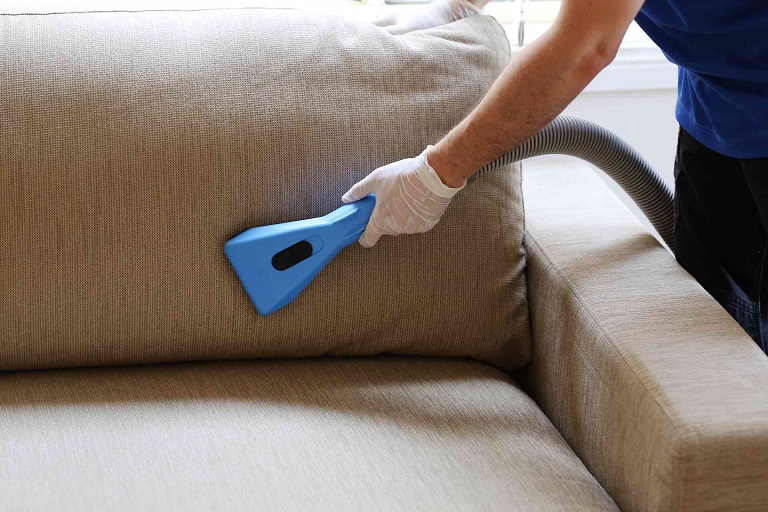
Ultimately, the decision between DIY and expert cleaning may depend on your particular needs, budget, and the condition of your upholstery. For minor stains and regular maintenance, do-it-yourself methods can be sufficient. However, for significant cleaning challenges, especially those requiring specialized care, enlisting a professional is often the best course of action. Weigh your options carefully to make the choice that matches with your upholstery care goals.
Upholstery Care Suggestions for Longevity
Caring for your upholstery not only keeps it appearing new but also prolongs its duration. Routine cleaning is crucial to eliminate dirt, dirt, and debris that can damage fabric fibers over the years. It’s advisable to vacuum furniture weekly, paying particular focus to crevices and edges where dirt tends to collect. For extra safeguarding, think about using a fabric sealant that prevents marks and spills, ensuring future cleaning simpler and less intrusive.
Another important element of furniture maintenance is addressing spills and marks promptly. Have a set of non-toxic cleaning products on standby to quickly handle any issues. Blot the stain gently rather than rubbing, as this can harm the material. For frequent stains, refer to reliable resources or specialist advice for particular cleaning recommendations to ensure you avoid inadvertently inflict additional damage to your furniture.
Finally, consider the surroundings in which your upholstery resides. Direct sunlight can fade colors over time, so attempt to position furniture away from direct sunlight or use window treatments to block harmful rays. Frequently flipping cushions can help avoid uneven wear and preserve their form. By following these simple care suggestions, you can enjoy beautiful upholstery that lasts for years.